

Running a house cleaning business involves much more than showing up at a client's home with a vacuum and cleaning supplies. You may buy products, drive between jobs, pay for advertising, replace equipment, use your phone for scheduling, and even hire another cleaner to help with larger jobs. 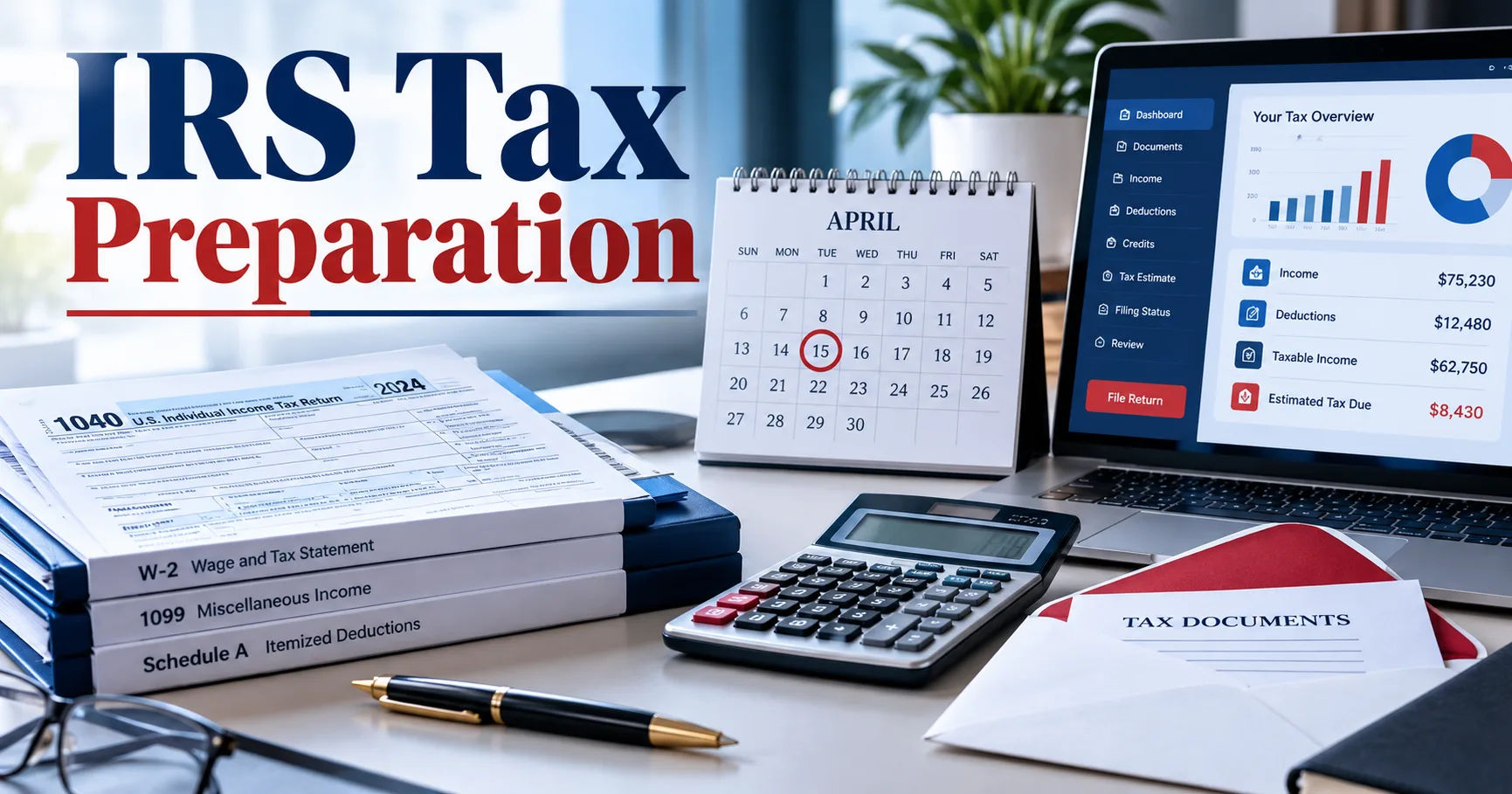 All of those transactions can affect your business finances. Conversational financial management for house cleaners without spreadsheets for IRS tax preparation can make it easier to keep these expenses organized as they happen instead of trying to remember everything months later.
For federal tax purposes, the IRS generally expects business expenses to be both ordinary and necessary. An ordinary expense is common and accepted in your type of business, while a necessary expense is helpful and appropriate for operating it. Personal expenses should not be mixed into business deductions.
The important point is that simply spending money for your business is not enough. You should maintain records that show what you bought, how much you paid, when you paid it, and why the expense was related to the business.
Cleaning Supplies Need Records
Cleaning supplies are among the most obvious expenses for a house cleaner.
These can include disinfectants, glass cleaners, floor cleaners, sponges, brushes, microfiber cloths, gloves, trash bags, mop heads, buckets, paper products, and other materials used while providing cleaning services.
If you purchase supplies specifically for customer jobs, keep the receipts or invoices. A credit card or bank statement can also help establish that a payment occurred, but the receipt or invoice can provide additional information about what you purchased.
This distinction matters because a bank statement may show that you spent $85 at a store, but it may not clearly explain what the $85 was for.
A useful record can include the date, store, amount, type of supplies, and business purpose.
Separate Business and Personal Purchases
Many cleaners shop at the same stores for their homes and businesses. That can make recordkeeping confusing.
For example, suppose you purchase $60 of cleaning products. If $45 was for customer jobs and $15 was for cleaning your own house, you should not simply classify the entire $60 as a business expense.
Keeping separate receipts or clearly marking the business portion can make tax preparation much easier.
Equipment and Tools Should Be Documented
A cleaning business may require equipment that costs considerably more than ordinary supplies.
Examples include commercial vacuums, carpet-cleaning machines, steam cleaners, floor buffers, ladders, extension poles, pressure washers, and specialized cleaning equipment.
Keep purchase records for these items. The IRS says records for business assets should generally establish information such as when and how the asset was acquired, its purchase price, how it was used, and information relevant to depreciation or other deductions.
Not every equipment purchase is necessarily treated the same way for tax purposes. Some costs may be handled as current expenses, while certain property may need to be depreciated or may qualify for another tax treatment.
That is one reason it is useful to preserve the original documentation rather than simply entering a total into a spreadsheet or bookkeeping system.
Keep Records When Equipment Is Sold
Do not throw away records simply because you stopped using a piece of equipment.
If you later sell or dispose of a business asset, information about its original cost, improvements, depreciation, sale price, and selling expenses may become important for determining the tax consequences.
Good records therefore follow an asset throughout its useful business life.
Vehicle and Mileage Expenses Need Special Attention
Transportation is a major expense for many house cleaners because the work often involves traveling from one customer's property to another.
You may drive to clients, purchase supplies, transport equipment, or travel to other locations for business purposes.
Vehicle deductions have specific recordkeeping requirements. The IRS notes that transportation and auto expenses require substantiation, and additional documentation may be needed for these expenses.
A mileage record should generally identify business trips clearly enough to establish when and why the travel occurred.
For example, instead of simply writing "driving" in a notebook, a stronger record might identify the date, destination, business purpose, and mileage.
Keep receipts for related vehicle expenses when they are relevant to the method you use to calculate the deduction.
Do Not Guess Your Business Mileage
Trying to reconstruct an entire year's driving from memory can be difficult.
A cleaner who visits several homes each day may accumulate hundreds or thousands of business miles. Recording trips regularly gives you a much more reliable record than estimating the number at tax time.
The IRS specifically recognizes mileage logs and similar records as evidence that can help substantiate transportation expenses.
Advertising and Marketing Expenses Need Documentation
Finding new customers costs money.
House cleaners may advertise through websites, local directories, social media promotions, printed flyers, business cards, online advertisements, referral platforms, or other marketing channels.
Keep invoices, receipts, payment confirmations, and account statements for these costs.
For example, if you pay an online advertising platform $200 during the year, preserve documentation showing the amount and the business service involved.
The same principle applies to website hosting, domain registration, professional photography for business marketing, and other legitimate promotional costs.
Track Marketing by Purpose
It can be useful to record what each marketing expense was intended to accomplish.
A payment for local advertising is easier to understand later if your records identify it as advertising for your cleaning business rather than simply labeling it "online payment."
Clear descriptions reduce confusion during tax preparation.
Insurance Expenses Should Be Recorded
Insurance can protect a cleaning business against different business risks.
Depending on the operation, a cleaner might carry general liability coverage, commercial auto coverage, workers' compensation coverage, bonding, or other business-related insurance.
Keep policy documents, invoices, payment confirmations, and other records showing the cost and nature of the coverage.
Insurance payments should be recorded according to their actual business purpose. Personal insurance expenses should not automatically be treated as business expenses simply because they were paid from a business bank account.
Phone, Internet, and Technology Costs Need Records
Modern cleaning businesses often depend on technology.
You may use a mobile phone to communicate with customers, an online booking system to schedule appointments, payment-processing services to collect money, and software to manage invoices or customer information.
If a cost has both personal and business use, the business portion needs to be distinguished from personal use.
For example, if you use one phone for both your family and customers, do not automatically treat the entire phone bill as a business expense.
Keep the bills and document a reasonable basis for the business portion.
Software Subscriptions Can Add Up
Individual subscriptions may seem insignificant.
A scheduling service might cost $20 per month. Payment software might charge monthly fees. Cloud storage, bookkeeping software, electronic invoicing, and other tools may create additional costs.
Individually, these charges are small. Over a full year, they can become meaningful.
A good recordkeeping system captures recurring expenses automatically or makes them easy to review.
Labor and Contractor Payments Need Strong Records
A growing cleaning company may eventually hire employees or pay independent contractors.
This creates additional recordkeeping responsibilities.
Keep records of amounts paid, dates, names or businesses receiving payment, invoices, agreements, and applicable tax forms.
Employment tax records have specific retention requirements, and the IRS states that employment tax records should generally be retained for at least four years.
Worker classification can also have tax consequences, so do not assume that everyone who works with your cleaning business is automatically an independent contractor.
If you regularly hire people, professional tax advice can help you understand the applicable rules.
Office and Administrative Expenses Need Records
A cleaning business can have administrative expenses even when most of the actual cleaning takes place at customer homes.
Possible costs include printer supplies, postage, business stationery, invoicing tools, bookkeeping services, bank fees, business licenses, and professional services.
Keep receipts and invoices for these expenses.
A useful record should make it clear who was paid, what service was purchased, how much was paid, when it was paid, and why it was related to the business.
The IRS specifically identifies invoices, receipts, account statements, credit card records, canceled checks, and similar documents as supporting business records.
Home Office Expenses Require Careful Records
Some house cleaners manage their business administration from home.
You might use a dedicated area to schedule customers, maintain records, prepare invoices, store business documents, or handle other administrative activities.
However, using a room or desk at home does not automatically make every household expense deductible.
The IRS has specific requirements for the business use of a home. For example, qualifying use generally involves exclusive and regular business use, subject to specific exceptions and other requirements.
If you claim a home office deduction, maintain records that support the calculation.
These may include information about the business-use portion of the home and relevant expenses. The IRS says taxpayers should retain receipts and other evidence supporting expenses associated with qualifying business use of the home.
Professional and Tax Preparation Fees Should Be Tracked
You may pay an accountant, bookkeeper, attorney, tax professional, or other professional to help operate your business.
Keep invoices and payment records for these services.
Do not rely on memory when preparing your return. A professional fee paid in February can be easy to forget by the following tax season.
Your financial records should capture these payments when they occur.
Bank, Payment Processing, and Financial Fees Matter
House cleaners frequently accept payments through bank transfers, credit cards, payment applications, or other electronic systems.
These services may charge transaction fees, monthly fees, or other business-related charges.
Save statements that document those costs.
You should also keep records of business income. The IRS says business records should identify the amount and source of gross receipts, and income should be reported even when a particular payment is not accompanied by a tax form.
This means expense tracking should not operate separately from income tracking.
You need both sides to understand the actual financial performance of your cleaning business.
Business Licenses and Registration Costs
Depending on where you operate, you may have licensing, registration, permit, or other government-related business expenses.
Keep copies of applications, renewal notices, receipts, and payment confirmations.
These records can help establish what the payment was for and which period it relates to.
Local requirements vary, so house cleaners should check the rules that apply to their particular location and business structure.
Travel and Other Business Transportation Costs
A cleaner may occasionally travel for purposes beyond ordinary trips between customer homes.
For example, you might travel to a supplier, attend business training, meet a prospective commercial client, or travel for another legitimate business purpose.
Travel expenses can have special substantiation rules.
The IRS notes that travel, transportation, gift, and entertainment expenses have specific recordkeeping requirements.
Keep documentation showing the date, location, amount, and business purpose whenever those rules apply.
What Should a House Cleaner Keep With Every Expense?
A simple recordkeeping habit can prevent a lot of tax-season frustration.
For each expense, try to capture five basic pieces of information:
-
Date of the purchase or payment
-
Vendor or person paid
-
Amount
-
What was purchased
-
Business purpose
The IRS explains that supporting expense documents should identify the payee, amount paid, proof of payment, date incurred, and description of the item or service.
That gives you a practical standard for evaluating whether a receipt or record is useful.
If you look at a transaction six months later and cannot tell what it was for, the record may not be as helpful as it could be.
Paper Receipts Are Not the Only Option
You do not necessarily need a giant filing cabinet full of receipts.
The IRS allows recordkeeping systems that suit the business, provided they clearly show income and expenses. Electronic records are acceptable when they provide a complete and accurate record that can be accessed when needed.
A cleaner might use digital receipt storage, bookkeeping software, bank records, categorized transaction histories, or another consistent system.
The important issue is not whether your records look sophisticated.
The important issue is whether they accurately document the business activity.
How Conversational Financial Management Can Help
For a small cleaning business, traditional bookkeeping terminology can sometimes make financial management feel harder than it needs to be.
A conversational approach can make routine tracking more natural.
Instead of waiting until tax season and asking, "Where did all my money go?", you can record expenses as they happen and categorize them according to their business purpose.
Conversational financial management for house cleaners without spreadsheets for IRS tax preparation can be particularly useful when a cleaner wants a simpler way to organize recurring purchases, transportation records, equipment expenses, and other transactions.
The goal is not to eliminate financial records.
It is to make maintaining those records easier and more consistent.
A conversational system should still preserve the underlying evidence, such as receipts, invoices, payment confirmations, and statements. A summary or automated category does not replace the supporting documentation that may be needed to substantiate a deduction.
How Long Should You Keep Tax Records?
Do not assume that tax records can be discarded immediately after filing.
The IRS says records should generally be kept for as long as they are needed to prove the income or deductions reported on a return. The exact retention period depends on the type of document and the circumstances.
Certain records can also have longer-term importance.
For example, asset records may be relevant for depreciation and for determining gain or loss when property is sold.
Employment tax records have their own retention requirements.
Because different records can have different rules, it is sensible to organize documents by tax year and expense category rather than deleting everything after a single fixed period.
Common Recordkeeping Mistakes House Cleaners Should Avoid
One common mistake is keeping only bank statements.
A bank statement proves that money moved, but it may not fully explain what was purchased or why it was a business expense.
Another mistake is mixing personal and business purchases.
This makes tax preparation harder and can make it difficult to determine the deductible business portion.
A third mistake is waiting until the end of the year.
Receipts disappear. Memories fade. Emails become difficult to find. Small purchases are forgotten.
Another problem is failing to document vehicle use.
Because transportation can represent a significant cost for mobile cleaners, accurate records are especially important.
Finally, some business owners keep excellent expense records but fail to track income properly. A complete system needs to document both income and expenses.
A Practical Recordkeeping Routine
A simple routine can keep tax records under control throughout the year.
Record each business expense close to the date it occurs.
Save the receipt or electronic documentation.
Categorize the transaction based on its actual business purpose.
For mixed-use expenses, identify the business portion rather than automatically treating the entire payment as business-related.
Review transactions regularly instead of waiting for tax season.
At the end of each month, compare your records with bank and payment-account statements. This can reveal missing receipts, duplicate entries, or transactions that were categorized incorrectly.
The IRS itself recommends recording transactions regularly, noting that a recordkeeping system becomes more effective when expenses are recorded when they occur.
Conclusion
House cleaners should keep tax records for virtually every expense that may affect the financial results of the business. Cleaning supplies, equipment, vehicle expenses, advertising, insurance, labor, software, phone costs, professional services, banking fees, office expenses, and other legitimate operating costs can all require documentation.
The key is not simply collecting receipts. The records should tell a clear story. They should show what you paid, when you paid it, who received the payment, what you purchased, and how the expense relates to the cleaning business.
The IRS allows businesses to choose recordkeeping systems suited to their operations, including electronic systems, as long as those systems accurately document the business activity.
For a house cleaner, that means tax preparation does not have to become a once-a-year hunt through glove compartments, email accounts, bank statements, and old shopping bags.
A consistent system is much easier.
Conversational financial management for house cleaners without spreadsheets for IRS tax preparation can help make the organizational side of a cleaning business more manageable, but the underlying receipts and supporting documents still matter. The technology or method you use should make accurate recordkeeping easier, not replace it.
When expenses are recorded throughout the year, tax preparation becomes a process of reviewing organized information rather than reconstructing an entire year's financial history from memory. That can save time, improve financial visibility, and give a house cleaning business a clearer picture of where its money is actually going.
Tax rules can vary depending on the business structure, expense type, and individual circumstances, so a qualified tax professional should be consulted when an expense is unusual, mixed personal and business use is involved, or the tax treatment is uncertain.