
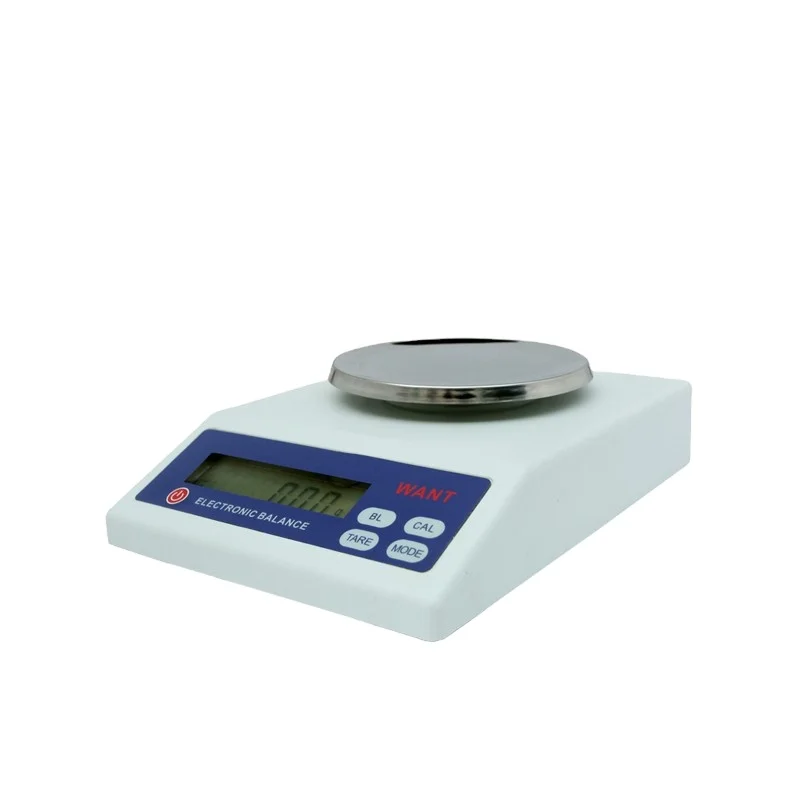
In industries that rely on precision and truth, scales are obligatory tools for various applications, from deliberation raw materials in manufacturing to measuring goods in retail. However, the truth and functionality of scales are only as trustworthy as their manufacturing process. This is where tone verify plays a essential role. In this clause, we will talk over the grandness of tone control in surmount manufacturing and how it impacts the overall public presentation and seniority of weighing systems.
1. Understanding Quality Control in Scale Manufacturing
Quality verify(QC) refers to the orderly work on of ensuring that products meet specified requirements and standards before they strive the . In the linguistic context of surmount manufacturing, QC ensures that each scale is proved for preciseness, enduringness, and functionality. It involves several steps, such as:
- Material Inspection: Ensuring that the raw materials used in manufacturing the scale are of the highest timber.
- Manufacturing Process Monitoring: Tracking each step of the production work on to see to it that all components are built right.
- Testing: Performing a serial publication of tests to verify the scale's accuracy and dependability.
- Final Inspection: A comprehensive examination check to ascertain the surmount meets the specifications before it is shipped.
2. Why Quality Control Matters in Scale Manufacturing
The preciseness of a scale is material for its performance in various applications. Poor tone control can lead to erroneous readings, low , and costly errors. Here’s why QC is requirement in scale manufacturing:
a. Ensures Accuracy and Precision
The primary feather function of a scale is to supply precise and accurate measurements. Scales that fail to meet these standards can cause significant problems in industries like retail, manufacturing, and logistics, where modest discrepancies can lead to John Major issues. Regular testing during the manufacturing work helps control that scales continue precise, even after spread-eagle use.
b. Enhances Durability and Longevity
Scales are often subjected to heavily use, especially in industrial environments. A ill factory-made scale may wear out rapidly or break up down under heavy piles. Through demanding timber verify, manufacturers can identify potentiality weaknesses in materials or design, ensuring that the scales are durable and stacked to resist tough conditions.
c. Meets Industry Standards and Compliance
Many industries want scales to meet particular regulative standards and certifications, such as NTEP(National Type Evaluation Program), CE, or ISO certification. Quality control ensures that scales stick to these standards, guaranteeing that they are lawfully nonresistant and safe to use in commercial trading operations. Failure to follow with these regulations can lead to fines, recalls, or reputational damage for manufacturers.
d. Minimizes Customer Complaints and Returns
By maintaining high QC standards, manufacturers can prevent defects from stretch customers. This reduces the likelihood of client complaints, returns, and repairs, which can be costly and a brand’s reputation. Consistently high-quality products heighten customer satisfaction and swear in the manufacturer’s reliableness.
e. Improves Operational Efficiency
For businesses that rely on scales to streamline operations—such as logistics companies or food manufacturers—accuracy and reliability are key to maintaining work efficiency. Scales that provide exact readings help keep off delays, minimise errors in inventory management, and improve overall productivity. Quality control processes see to it that scales function as unsurprising and meet the demands of the users.
3. Key QC Methods Used in Scale Manufacturing
To assure the highest timber standards, surmount manufacturers follow through several methods and tools during the QC work on. These include:
a. Calibration Testing
Calibration ensures that the surmount is providing the readings in relation to a known standard. Manufacturers often use secure weights to scales before transport them to customers. This guarantees that the scale’s readings are precise and consistent over time.
b. Load Testing
Load examination involves placing a known weight on the surmount to control that it can wield the specified weight capacity without overrefinement or misfunction. This test is especially evidentiary for heavy-duty scales, which may be used to press heavily equipment or boastfully quantities of material.
c. Environmental Testing
Scales often run in various environments, including extreme temperatures, humidness, and exposure to chemicals or dust. Manufacturers carry state of affairs examination to see to it that their scales can execute reliably under different conditions, which is material for heavy-duty and outside applications.
d. Shock and Vibration Testing
shop weighing scale s used in shipping, manufacturing, or farming may be exposed to physical impacts, vibrations, and shocks. Quality control processes often let in shock and vibe examination to assure that the surmount can resist rough out treatment without vulnerable its functionality.
e. Software Testing
For whole number and physics scales, software package testing is an requisite part of timber control. This ensures that the scale’s package interfaces are working aright, and that the scale’s and data processing functions are right and efficient.
4. The Role of Automation in Quality Control
In today’s hi-tech manufacturing environments, automation has become an necessity part of the timber control work on. Automated systems can do rapid, precise testing, allowing manufacturers to inspect each surmount for accuracy, load permissiveness, and functionality with stripped-down homo intervention. This not only improves but also reduces the likelihood of man wrongdoing in the QC process.
5. Conclusion
Quality control is a crucial portion in surmount manufacturing, ensuring that each production meets the requisite standards of accuracy, lastingness, and reliableness. By maintaining rigorous QC procedures throughout the manufacturing work on, scale manufacturers can ply businesses with the tools they need to operate with efficiency and with confidence. Scales that are stacked with care to detail and high-quality materials will execute better, last longer, and help keep off dearly-won errors in the long run.
Investing in tone control is an investment in the winner of both the manufacturer and the end user. Whether you are purchasing scales for retail, heavy-duty, or cultivation use, sympathy the importance of QC can help you make an wise to and choose a production that meets your needs and expectations.