

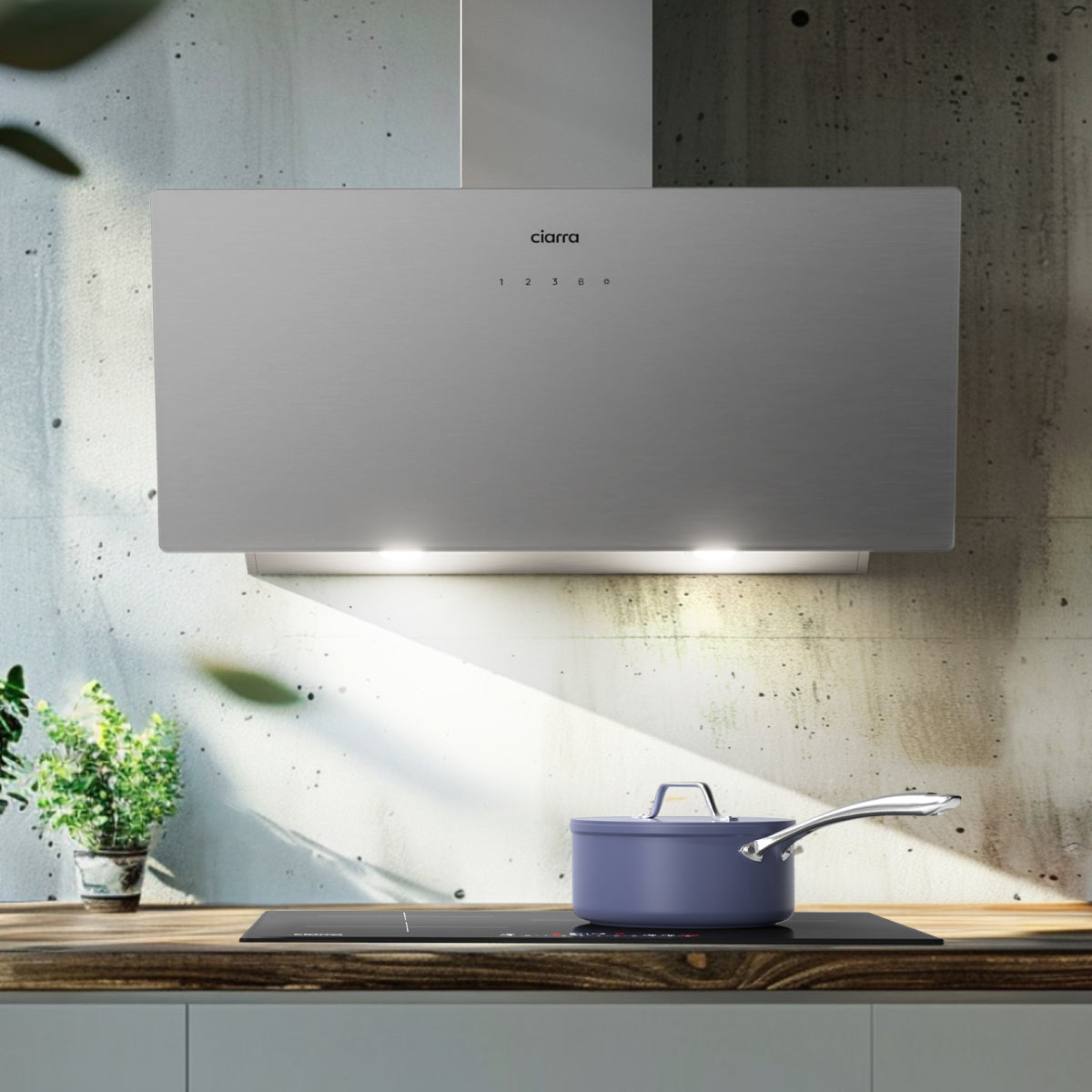
Forget the permanent, bulky straddle hood. The cooking earthly concern is witnessing a pipe down rotation motivated by portable, sophisticated units. While built-in hoods rule conversations, the outboard section is proposed to grow by 18 in 2024, according to Recent epoch kitchen tech analyses. This surge isn’t about mere ; it’s a first harmonic shift towards standard, personal air timbre direction for Bodoni font, unstable lifestyles. These are not just for kitchens they are becoming requisite tools for any space where cooking happens.
Beyond the Kitchen: Unconventional Use Cases
The true excogitation lies in their application. Creative homeowners and professionals are deploying these units in scenarios traditional hoods could never serve, resolution air quality problems we’ve long tolerated.
- The Renter’s Revolution: For the 37 of households who rent, permanent wave modification is insufferable. A outboard hood empowers them to sear, fry, and saut without scene off smoke alarms or embedding odors in curtains.
- The Outdoor Kitchen Companion: Summer broiling moves indoors when brave turns. A mighty outboard unit can be wheeled to a service department or terrace setup, venting fume from a flat-top grillroom or tobacco user before it permeates the home.
- The Hobbyist’s Shield: From rosin crafting and bonding to vivid spice detrition, these hoods are being repurposed in home workshops and craft rooms to capture exhaust fumes and particulates at the germ.
Case Study 1: The Nomadic Food Content Creator
Maya, a nonclassical recipe in New York, films in a 450-square-foot flat. Her solution? A sleek, telescoping outboard hood with structured, tinge-accurate LED lighting. She stores it in a closet, wheels it out for filming, and uses its pipe down, high-power mode to capture wok hei without the roar of a standard hood ruining her sound. For her, it’s dual-purpose: a ventilation tool and a key piece of product equipment that enables professional person results in a tiny space.
Case Study 2: The Adaptive Living Advocate
After an injury, Robert establish his low kitchen cabinetwork made using his back-splash range hood irritating. His retrofit was a portable induction cooktop opposite with a countertop hood. He can now cook comfortably at his kitchen set back or even on his balcony. This case highlights a position often unnoted: portable hoods are a right tool for adaptative and available living, granting cookery independency where traditional kitchen design fails.
Case Study 3: The Supper Club Pop-Up
“The Urban Forage” is a roving supper club that transforms unusual spaces into temporary dining rooms. Their enigma for avoiding venue smoke damage? Two commercial-grade countertop oven hoods with heavily-duty carbon paper filters. They set up a temporary kitchen in corners of art galleries or bookshops, confidently cookery a multi-course meal without instalmen a I duct. This illustrates the hood’s role in the ontogenesis”pop-up thriftiness,” facultative professional cookery anywhere.
The New Kitchen Mindset: Fluid and Demand-Based
The rise of the outboard range hood signals a move away from the kitchen as a fixed post. Instead, it promotes a philosophy of”cooking zones” that can be created and clear-cut as requisite. It answers the needs of multi-use spaces, temporary support, and fanciful cooking pursuits. This isn’t just a product curve; it’s a reimagining of how we wangle the very atmosphere of our fictive and domestic lives, prioritizing tractableness and precision over permanence.