

Ultrasound-based skin treatments have become increasingly popular among people who want firmer, smoother skin without undergoing surgery. As the skin ages, collagen production gradually decreases, which can lead to sagging cheeks, loose skin around the jawline, wrinkles, and changes in the appearance of the neck. Many people look for treatments that can improve these concerns while allowing them to return to their regular activities quickly. 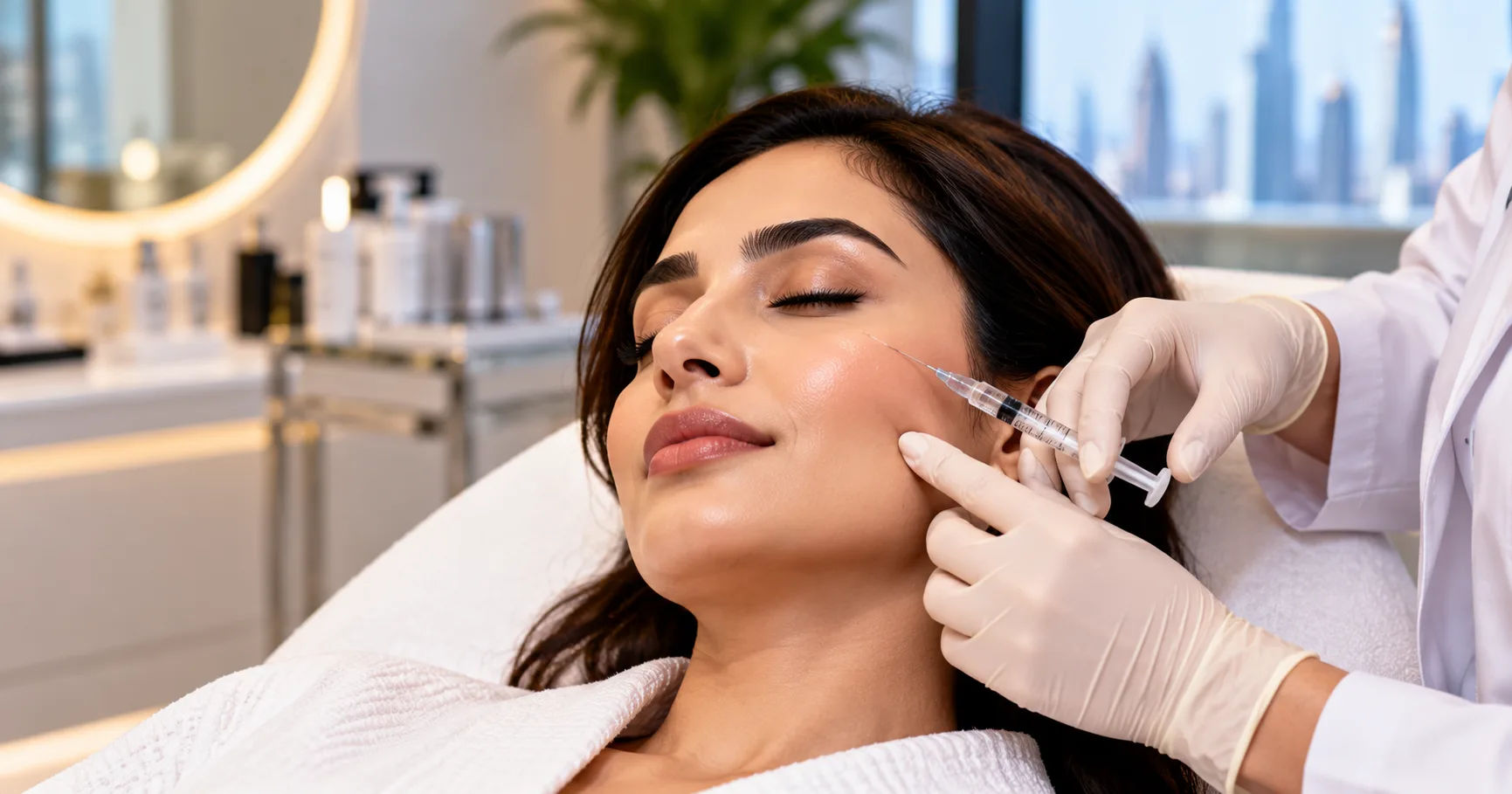 Ultherapy is one option that uses focused ultrasound energy to support the skin's natural renewal process.
Understanding how the treatment works can help you decide whether it is suitable for your skin concerns. Unlike surgical facelifts, which physically lift and reposition tissues, Ultherapy works by delivering controlled energy beneath the skin to stimulate collagen production. Its results develop gradually rather than appearing immediately.
For individuals considering Ultherapy in Karachi, learning about the procedure, its benefits, possible side effects, and expected results is an important first step. A qualified practitioner can assess your skin, explain realistic outcomes, and determine whether ultrasound-based tightening is appropriate for your needs.
This comprehensive guide explains the science behind Ultherapy, what happens during a session, how long the results take to appear, and what you should consider before choosing a clinic.
What Is Ultherapy?
Ultherapy is a nonsurgical cosmetic treatment designed to improve skin firmness and reduce the appearance of mild to moderate skin laxity. It uses focused ultrasound energy to heat targeted tissue beneath the skin without intentionally damaging the surface.
The treatment is commonly used on areas such as the lower face, jawline, cheeks, neck, and brow. Depending on the device and its approved indications, it may also be used to improve the appearance of lines and wrinkles around the upper chest.
The primary goal is to encourage the body's natural production of collagen, a protein that provides structural support to the skin.
Collagen and Skin Aging
Collagen acts like a supporting framework within the skin. It helps maintain firmness, elasticity, and a smoother appearance.
As people grow older, collagen production and organization change. Sun exposure, smoking, genetics, environmental factors, and other aspects of aging can contribute to these changes.
Consequently, the skin may become thinner, less elastic, and more likely to sag. The jawline may appear less defined, and the neck can develop loose skin.
Ultherapy aims to address some of these changes by stimulating collagen remodeling in selected deeper tissue layers.
How Ultherapy Differs From a Surgical Facelift
A surgical facelift involves repositioning underlying tissues and removing or adjusting excess skin when appropriate. Ultherapy does not remove extra skin or surgically reposition facial structures.
Instead, it uses focused ultrasound energy to encourage gradual tissue tightening. This makes it a potential option for people with early signs of sagging who prefer a nonsurgical approach.
However, the treatment cannot reproduce the degree of lifting that surgery may achieve in someone with substantial skin laxity.
How Does Ultherapy Work?
Ultherapy works by delivering focused ultrasound energy to specific depths beneath the skin. The energy creates small areas of controlled thermal stimulation, which trigger a natural healing response.
Over time, this response encourages collagen production and remodeling. As collagen structures change, the treated area may become firmer and appear more lifted.
Step 1: Examining the Skin
Before treatment, the practitioner evaluates the skin and discusses the patient's concerns.
The assessment may include examining the jawline, cheeks, neck, brow, and other areas being considered for treatment. Skin thickness, the degree of laxity, medical history, and previous cosmetic procedures may influence the treatment plan.
The practitioner should also explain what Ultherapy can realistically achieve. People with significant excess skin may benefit more from other approaches.
Step 2: Preparing the Treatment Area
The skin is cleaned to remove makeup, oil, and other surface impurities.
The practitioner may apply an ultrasound gel to help the device make appropriate contact with the skin. The treatment area is marked or mapped according to the intended coverage.
The clinician should confirm that the device is suitable for the planned procedure and explain what sensations the patient may experience.
Step 3: Delivering Focused Ultrasound Energy
The practitioner moves the device's handpiece across the selected area, delivering focused ultrasound energy through the skin.
Unlike treatments that primarily target the surface, Ultherapy is designed to deliver energy to specific depths beneath it. Depending on the device and treatment plan, these depths may include the dermis and deeper supportive tissue layers.
The energy produces controlled heating at selected points. These small treatment zones initiate a biological response without requiring surgical incisions.
Step 4: Stimulating Collagen Production
The controlled heating stimulates a repair response in the treated tissue. Fibroblasts, which are cells involved in producing collagen, contribute to the process of rebuilding and remodeling the skin's supportive structure.
Collagen remodeling takes time. The skin does not become fully firmer immediately after the ultrasound energy is delivered.
Instead, improvements develop over the following weeks and months as the body's natural processes continue.
Step 5: Gradual Skin Tightening
As collagen remodels, some patients notice that their skin feels firmer and looks smoother. The jawline may appear more defined, and mild sagging around the lower face or neck may become less noticeable.
The amount of improvement varies considerably. Age, baseline skin condition, treatment settings, the area treated, and individual healing responses can all influence the outcome.
Ultherapy should therefore be viewed as a treatment that may provide gradual improvement rather than a guaranteed replacement for surgery.
What Areas Can Ultherapy Treat?
Ultherapy may be considered for several areas where mild to moderate skin laxity is a concern.
Face and Cheeks
The face commonly shows early signs of aging through reduced firmness and changes in cheek definition.
Treatment may help improve the appearance of mild sagging in selected areas. However, it does not replace lost facial volume in the way that certain injectable treatments can.
Jawline and Chin Area
The jawline can become less defined as skin elasticity changes with age.
Ultherapy may help improve mild looseness around the lower face and jawline. The outcome depends on whether the concern is primarily loose skin, excess fat, or changes in the underlying facial structure.
A consultation is important because these concerns may require different treatments.
Neck
Loose skin around the neck can contribute to an aged appearance.
Focused ultrasound treatment may improve mild neck laxity in suitable patients. It is less likely to provide a dramatic change when there is substantial excess skin or prominent muscle banding.
Brow Area
In selected cases, treatment may provide a modest improvement in the appearance of a lowered brow.
The effect is generally more subtle than a surgical brow lift. The practitioner should explain the expected degree of improvement before treatment begins.
What Happens During an Ultherapy Session?
People considering Ultherapy in Karachi should understand that the procedure involves several stages, including consultation, preparation, treatment, and aftercare.
Consultation and Skin Assessment
The first appointment should focus on the patient's goals, medical history, skin condition, and expectations.
The practitioner should explain the available treatment options and discuss whether the expected benefits justify the cost and possible discomfort.
Patients should disclose previous cosmetic procedures, relevant medical conditions, medications, and any history of unusual reactions to treatments.
Treatment Duration
The length of a session depends on the size of the treatment area and the device's treatment protocol.
A smaller area may take less time than a treatment covering the lower face and neck. The practitioner should provide an estimated duration before beginning.
Sensations During Treatment
Patients may experience warmth, tingling, pressure, or brief sensations of discomfort when ultrasound energy is delivered.
The level of discomfort varies from person to person and depends on the treatment area and settings. Some people tolerate the procedure comfortably, while others find certain areas more sensitive.
Pain management options should be discussed with the practitioner before treatment. Patients should not change prescribed medication or take additional medication without appropriate medical guidance.
How Long Does Ultherapy Take to Show Results?
One of the most important things to understand about Ultherapy is that the results develop gradually.
Some people notice a small initial improvement, but the more meaningful changes generally emerge over the following two to three months. Collagen remodeling may continue for several months after treatment.
Immediate Changes
A patient may notice a temporary feeling of firmness or a subtle change in appearance soon after the session.
However, this does not represent the full collagen-related outcome. Temporary swelling can also influence how the skin looks during the early recovery period.
It is best not to judge the success of the procedure based on the first few days.
Results After One to Three Months
During this period, collagen remodeling may become more noticeable.
Depending on the individual's response, the skin may look firmer, and mild sagging may appear less prominent. Before-and-after photographs taken under consistent lighting can help assess gradual changes more objectively.
Not everyone experiences the same degree of improvement, and some patients may see only subtle results.
Results After Three to Six Months
Further improvement may develop as the body's repair and remodeling processes continue.
A practitioner may recommend a follow-up assessment to evaluate the outcome and determine whether any additional treatment is appropriate.
Additional sessions should not be assumed necessary for everyone. The decision depends on the patient's response, the device's instructions, and the practitioner's clinical judgment.
Who Is a Suitable Candidate for Ultherapy?
Ultherapy may be appropriate for adults who have mild to moderate skin laxity and want a nonsurgical treatment option.
People who prefer gradual improvement and wish to avoid the recovery associated with surgery may be interested in this approach.
People With Early Signs of Aging
Individuals who notice mild looseness around the cheeks, jawline, brow, or neck may be suitable candidates after an appropriate assessment.
The treatment is generally more useful when the concern involves skin laxity rather than substantial excess skin or significant volume loss.
People Who Prefer Nonsurgical Treatments
Ultherapy does not require surgical incisions or general anesthesia as part of the standard procedure.
Although downtime is often limited, temporary tenderness, swelling, redness, or other side effects can occur. Nonsurgical does not mean completely risk-free.
Who May Need Another Approach?
People with severe skin sagging may not achieve their desired results with ultrasound treatment alone.
Those whose concerns mainly involve deep wrinkles, significant volume loss, excess fat, or pronounced neck bands may require a different treatment plan.
A qualified clinician should also assess pregnancy, active skin problems in the treatment area, implanted medical devices, and other relevant health considerations. Suitability depends on the specific device, its instructions, and the patient's medical circumstances.
What Are the Benefits of Ultherapy?
Ultherapy offers several potential benefits for carefully selected patients.
No Surgical Incisions
The procedure uses ultrasound energy rather than surgical cuts. This can make it appealing to people who want to avoid invasive treatment.
Gradual, Natural-Looking Improvement
Because collagen remodeling occurs over time, changes usually develop gradually rather than appearing as an immediate and dramatic transformation.
The outcome can be subtle, which may suit people who prefer modest improvements in firmness.
Limited Downtime for Many Patients
Many people return to normal daily activities soon after treatment. Nevertheless, the recovery experience differs between individuals.
Tenderness, swelling, redness, bruising, or temporary changes in skin sensation may affect some patients.
Targeted Treatment
Focused ultrasound technology is designed to deliver energy at selected tissue depths.
The practitioner can tailor the treatment plan to the areas being addressed, subject to the capabilities and approved indications of the device.
What Are the Possible Side Effects and Risks?
Understanding the risks is essential before choosing any cosmetic procedure.
Common temporary effects may include redness, swelling, tenderness, bruising, and discomfort. Some patients experience tingling, temporary numbness, or altered skin sensation.
Less common but important complications can include burns, welts, nerve irritation or injury, and unwanted changes in facial contour. The risk depends partly on treatment technique, device settings, anatomy, and practitioner experience.
Patients should contact their provider if they develop severe or worsening pain, blistering, significant weakness, or other unexpected symptoms.
A practitioner should explain the device-specific risks, review relevant medical history, and provide clear instructions for reporting complications.
How Should You Prepare for Ultherapy?
Preparation begins with a thorough consultation.
Before the appointment, make a list of your concerns and questions. Discuss previous procedures, medications, allergies, and relevant medical conditions honestly.
Avoid starting or stopping medication without medical advice. Follow the clinic's instructions about skin preparation and any recommended pain management.
It is also helpful to take baseline photographs if you want to compare your appearance over time.
Patients considering Ultherapy in Karachi should ask whether the clinic uses an authentic, properly maintained device and whether the practitioner has relevant training and experience.
They should also ask which areas will be treated, what level of improvement is realistic, and what additional costs might apply.
What Should You Do After Treatment?
Aftercare is usually straightforward, but patients should follow the specific guidance provided by their practitioner.
Keep the Skin Comfortable
Use gentle skincare products if the skin feels sensitive. Avoid aggressive exfoliation or irritating treatments until the practitioner confirms they can be resumed.
If redness, tenderness, or swelling occurs, follow the clinic's instructions for managing these symptoms.
Protect Your Skin From the Sun
Daily sun protection helps reduce additional skin damage and supports a healthy skincare routine.
Use a broad-spectrum sunscreen appropriate for your skin and follow general sun-protection practices, especially when spending time outdoors.
Allow Time for Results
Collagen remodeling is a gradual process. Avoid judging the outcome too early or arranging repeat treatments without professional advice.
Keep follow-up appointments when recommended, particularly if you have questions about your progress or experience unexpected symptoms.
How Much Does Ultherapy Cost in Karachi?
The cost of Ultherapy varies between clinics and depends on several factors.
The treatment area is an important consideration. Treating the full face and neck generally involves a different treatment plan from treating a smaller area.
Other factors include the number of ultrasound treatment lines, the device used, the practitioner's experience, and the clinic's standards.
When comparing prices, do not focus on cost alone. An unusually low price may warrant questions about the authenticity of the device, the practitioner's qualifications, and what the quoted fee includes.
Ask for a clear estimate that identifies the treatment areas, expected follow-up, and any additional charges. A reputable provider should explain the plan without promising guaranteed results.
How to Choose a Reliable Ultherapy Clinic
Choosing a qualified provider is one of the most important parts of the process.
Check Qualifications and Experience
Look for an appropriately licensed medical professional with relevant training in aesthetic procedures and experience using the specific ultrasound device.
Ask who will perform the treatment and who will be responsible if complications arise.
Confirm the Device
Ask whether the clinic uses the genuine Ultherapy system or another focused ultrasound device. Similar-sounding technologies are not necessarily identical, and their evidence, settings, and approved uses may differ.
The clinic should be able to explain the equipment and its intended use clearly.
Review Realistic Before-and-After Results
Before-and-after photographs may help you understand the type of improvement the practitioner typically achieves.
Look for images taken under similar lighting and camera angles. Remember that photographs cannot guarantee the same result for another patient.
Ask About Risks and Alternatives
A responsible practitioner should explain both the benefits and the limitations of treatment.
You should feel comfortable asking about discomfort, side effects, expected results, costs, and alternatives such as skincare, other nonsurgical treatments, or surgery when appropriate.
Conclusion
Ultherapy uses focused ultrasound energy to stimulate collagen production beneath the skin, helping improve mild to moderate skin laxity in selected patients. Rather than physically removing excess skin, it creates controlled areas of thermal stimulation that encourage the body's natural tissue-remodeling response.
The treatment may help improve the appearance of the cheeks, jawline, brow, and neck. However, results develop gradually, usually becoming more apparent over two to three months and potentially continuing to improve over several additional months. The degree of change depends on individual skin condition, age, treatment technique, and the body's response to collagen remodeling.
For anyone considering Ultherapy in Karachi, the most important step is to arrange a consultation with a qualified medical professional. A careful assessment can determine whether ultrasound treatment matches your concerns or whether another approach may provide better results. Patients should also understand the possible side effects, verify the device being used, and avoid clinics that promise dramatic or guaranteed lifting.
Although Ultherapy can be a useful nonsurgical option for certain people, it does not provide the same results as a surgical facelift and may not be suitable for severe skin laxity. Having realistic expectations, choosing an experienced practitioner, and following appropriate aftercare instructions can help you make a more informed decision about your skin health and cosmetic goals.