Category: Health & Fitness

راهنمای جامع انتخاب مولتی ویتامین مناسب برای مقابله با خستگی مفرط و کمبود مواد مغذی


در دنیای پرشتاب امروز، احساس خستگی و کمبود انرژی یکی از مشکلات شایع است که بسیاری از افراد با آن مواجه‌اند روغن سیاه دانه برای زانو درد. یکی از راه‌های مؤثر برای مقابله با این مشکل، استفاده از مولتی‌ویتامین‌ها است که می‌توانند به تأمین نیازهای تغذیه‌ای بدن و افزایش سطح انرژی کمک کنند.

انواع مولتی‌ویتامین‌های مناسب برای رفع خستگی

مولتی‌ویتامین‌ها ترکیبی از ویتامین‌ها و مواد معدنی ضروری هستند که به بهبود عملکرد سیستم‌های مختلف بدن کمک می‌کنند. برخی از مولتی‌ویتامین‌ها با فرمولاسیون خاص خود، به‌طور ویژه برای مقابله با خستگی طراحی شده‌اند. این مکمل‌ها می‌توانند با تأمین ویتامین‌ها و مواد معدنی مورد نیاز بدن، انرژی روزانه را افزایش دهند و احساس خستگی را کاهش دهند.

ویتامین‌ها و مواد معدنی مؤثر در مقابله با خستگی

ویتامین B12: این ویتامین نقش مهمی در تولید انرژی و عملکرد سیستم عصبی دارد. کمبود آن می‌تواند منجر به خستگی و ضعف عمومی شود.

ویتامین D: کمبود ویتامین D با احساس خستگی و ضعف عضلانی مرتبط است. تأمین این ویتامین می‌تواند به بهبود سطح انرژی کمک کند.

آهن: کمبود آهن می‌تواند منجر به کم‌خونی و احساس خستگی شود. مصرف مکمل‌های آهن می‌تواند این مشکل را برطرف کند.

منیزیم: این ماده معدنی در تولید انرژی و عملکرد عضلات نقش دارد. کمبود منیزیم می‌تواند باعث خستگی و ضعف عضلانی شود.

روی (زینک): روی در عملکرد سیستم ایمنی و تولید انرژی نقش دارد. کمبود آن می‌تواند منجر به خستگی و ضعف عمومی شود.

نکات مهم در انتخاب مولتی‌ویتامین مناسب

در انتخاب مولتی‌ویتامین برای رفع خستگی، توجه به نکات زیر ضروری است:

مشاوره با پزشک: قبل از شروع مصرف هر نوع مکمل، بهتر است با پزشک مشورت کنید تا از دوز مناسب و جلوگیری از تداخل با داروهای دیگر اطمینان حاصل کنید.

توجه به نیازهای فردی: هر فرد نیازهای تغذیه‌ای خاص خود را دارد. بنابراین، انتخاب مولتی‌ویتامین متناسب با سن، جنسیت، وضعیت سلامتی و سطح فعالیت بدنی مهم است.

کیفیت برند: انتخاب مکمل‌های از برندهای معتبر و با کیفیت می‌تواند به اثربخشی و ایمنی مصرف کمک کند.

نتیجه‌گیری

استفاده از مولتی‌ویتامین‌ها می‌تواند به تأمین نیازهای تغذیه‌ای بدن و افزایش سطح انرژی کمک کند. با انتخاب مولتی‌ویتامین مناسب و رعایت نکات ذکر شده، می‌توان از خستگی مفرط رهایی یافت و کیفیت زندگی را بهبود بخشید.

Holistic Elderly Care: Nurturing Health, Well-being, and Happiness

As our elderly loved ones grow older, their health and well-being become the primary concern for families. However, elderly care is not just about addressing physical needs; it is about providing holistic support that encompasses emotional, social, and mental well-being. At ElderlyDB.hk, we are dedicated to helping families find elderly care services that offer comprehensive care, ensuring their loved ones live not just with physical support but with the dignity, engagement, and happiness they deserve.

ElderlyDB.hk offers a diverse array of care options, including residential care homes, nursing care, and home-based support. We aim to connect families with services that go beyond just medical care, focusing on the overall quality of life for seniors. From recreational activities and social engagement to personalized health services, we guide families to facilities that understand the importance of addressing both the physical and emotional needs of the elderly.

For many seniors, staying connected with others and maintaining a sense of purpose are essential for their mental health. That’s why many of the elderly 安老院 homes listed on ElderlyDB.hk provide enriching activities such as group exercise, creative arts, gardening, and community events that keep seniors engaged, active, and socially connected. We believe that care should not only be about addressing medical needs but also about enriching the lives of seniors and helping them maintain a sense of joy and fulfillment.

Moreover, we understand that finding the right elderly care solution often involves financial considerations. To support families in this area, ElderlyDB.hk offers tools that help calculate costs, explore available subsidies, and evaluate insurance options. Our goal is to ensure that elderly care services are both accessible and affordable for every family.

At ElderlyDB.hk, we are committed to helping families find elderly care services that go beyond the basics of physical care. By offering holistic, person-centered solutions, we empower families to make decisions that will nurture the health, happiness, and well-being of their elderly loved ones, allowing them to enjoy their later years with comfort, dignity, and a sense of belonging.

The Future of Pharmacogenomics What s Next in Personalized Psychiatry 

Imagine a future where the path to mental wellness isn’t paved with trial-and-error, but with precise, personalized decisions. For too long, individuals struggling with mental health conditions have faced the frustrating journey of trying multiple medications, often enduring uncomfortable side effects, before finding one that offers relief. This isn’t due to a lack of effort by clinicians or patients, but rather the inherent biological variability in how each person responds to medication. What works wonders for one might be ineffective or even harmful for another. This complex reality has driven innovation in medicine, leading us to a frontier where our own genetic blueprint could guide psychiatric treatment: pharmacogenomics.

Pharmacogenomics is poised to revolutionize how we approach mental healthcare. It promises to transform a process often characterized by uncertainty into one guided by scientific insight, moving us closer to truly personalized medicine. This isn’t just a distant dream; the foundational science is already here, and its potential is expanding rapidly.

What is Pharmacogenomics? Decoding Your Body’s Response to Medication

At its core, pharmacogenomics is the study of how your genes affect a person’s response to drugs. Every individual carries a unique set of genetic instructions, and these instructions play a significant role in how the body processes and responds to medications. Some genes, for instance, control enzymes that metabolize drugs. If these enzymes are highly active, a standard dose might be cleared from the body too quickly to be effective. Conversely, if they are underactive, the drug could accumulate to toxic levels.

In psychiatry, this genetic variability is particularly impactful. Antidepressants, anxiolytics, and antipsychotics are all processed by specific enzymes, many of which are encoded by genes that vary significantly across the population. Understanding these genetic variations allows clinicians to potentially anticipate how a patient might react to a particular medication, moving beyond the traditional “start low, go slow” approach. This insight can help bypass weeks or months of ineffective treatment and uncomfortable side effects, guiding the selection of medications and dosages tailored to an individual’s unique genetic makeup. The promise lies in making mental healthcare not just more effective, but also more efficient and less distressing for patients.

From Broad Strokes to Precision: The Current Impact of Pharmacogenomics

Today, pharmacogenomic (PGx) testing is not yet standard practice for every psychiatric prescription, but its utility is growing. It is currently most valuable in situations where patients have tried several medications without success, or when they experience severe side effects. By examining specific genes known to influence drug metabolism, clinicians can gain valuable clues. For example, variations in the CYP450 enzyme family genes are well-researched and can significantly impact how certain antidepressants and antipsychotics are processed.

For a patient struggling with depression, for instance, genetic testing might reveal that they are a “poor metabolizer” of a commonly prescribed antidepressant. This means their body processes the drug slowly, leading to higher-than-normal concentrations in their system and an increased risk of side effects. Armed with this information, a psychiatrist could opt for a different medication, or adjust the dosage of the initial one, potentially preventing adverse reactions and improving treatment outcomes from the outset. This represents a tangible shift from generalized treatment strategies to more refined, individual-focused care. The information gathered from these tests provides an additional layer of data, augmenting clinical judgment and patient history, thereby enhancing the overall decision-making process for treatment plans.

Advancements in Genetic Testing Technology

The accessibility and sophistication of pharmacogenomic (PGx) testing have advanced considerably. What once required complex lab procedures can now be performed with a simple cheek swab or saliva sample. The analytical techniques have become more robust, providing comprehensive reports that detail a patient’s predicted response to a wide range of psychiatric medications. This ease of testing, combined with increasingly clear interpretive guidelines, has made PGx a powerful tool for clinicians seeking to optimize mental health treatment.

The Interplay of AI in Medicine and Predictive Analytics

The true potential of pharmacogenomics, especially in the context of `preventative mental healthcare`, blossoms when integrated with cutting-edge technologies like `AI in medicine` and `predictive analytics`. Our genetic code is incredibly complex, comprising billions of base pairs. While current PGx tests focus on a targeted set of genes known to influence drug metabolism, the broader landscape of genetic interactions and environmental factors also plays a role in mental health. This is where artificial intelligence steps in.

AI algorithms possess the capacity to sift through vast datasets – combining genomic information with patient history, lifestyle factors, environmental exposures, and even digital biomarkers – to identify subtle patterns that human analysis might miss. This ability to integrate and interpret complex, multi-modal data is foundational to `predictive analytics`.

From Data to Foresight: How AI Shapes Treatment Decisions

Imagine a future where a patient’s genetic profile isn’t just used to adjust a single medication, but to construct a comprehensive, lifelong mental health trajectory. AI could analyze a person’s entire genome, along with their electronic health records, to predict not only which medications they might respond to, but also their predisposition to certain mental health conditions, or even which psychotherapies might be most effective. This goes beyond simple drug-gene interactions to a holistic view of the individual.

  • Enhanced Drug Response Prediction: AI can learn from millions of patient outcomes, correlating genetic markers with treatment success rates for various conditions. This allows for more nuanced predictions than current PGx panels alone.
  • Early Risk Identification: By analyzing polygenic risk scores – which account for the cumulative effect of many genes – AI can help identify individuals at higher risk for conditions like major depressive disorder or bipolar disorder, even before symptoms fully manifest. This opens avenues for proactive, early interventions.
  • Personalized Therapy Matching: Beyond medication, AI might one day assist in matching individuals to specific therapeutic modalities (e.g., CBT, DBT, psychodynamic therapy) based on their psychological and biological profiles.
  • Optimizing Dosing Strategies: Advanced algorithms could continuously refine dosing recommendations, taking into account not just genetics but also real-time physiological data and patient-reported outcomes.

This advanced application of `AI in medicine` and `predictive analytics` moves pharmacogenomics from simply “what drug, what dose?” to “what comprehensive care pathway will optimize this individual’s mental well-being throughout their life?”

Beyond Today: The Future of Genetic Testing in Mental Healthcare

The current scope of `genetic testing` in psychiatry, while valuable, is merely scratching the surface. The future holds the promise of expanding beyond single-gene drug metabolism to a more comprehensive understanding of an individual’s mental health predispositions and responses to broader interventions. This evolution will be driven by continued research into complex gene-environment interactions and the integration of diverse biological data.

One exciting frontier is the development of `polygenic risk scores` for various mental health conditions. Unlike single-gene disorders, most common mental illnesses are influenced by hundreds, if not thousands, of genes, each contributing a small effect. Polygenic risk scores combine these small genetic contributions into a single score, offering a more complete picture of an individual’s genetic susceptibility. While still primarily a research tool, their refinement could eventually allow for earlier identification of individuals at high risk, paving the way for targeted `preventative mental healthcare` strategies.

Consider the potential for using genomic information not just to choose medication, but to guide lifestyle recommendations, dietary changes, and even exercise regimens that are known to impact mental health. If an individual has a genetic predisposition to anxiety, knowing this early might prompt tailored stress-reduction techniques and support systems long before the anxiety becomes debilitating. This proactive stance is a hallmark of truly preventative healthcare.

Integrating Omics Data for a Holistic View

The `future of genetic testing` isn’t solely about DNA. It’s about integrating various “omics” data – genomics (DNA), transcriptomics (RNA), proteomics (proteins), metabolomics (metabolites), and even microbiomics (gut bacteria) – to create an incredibly detailed biological profile. AI can then synthesize these layers of information, offering a panoramic view of an individual’s health at a molecular level.

Omics Type Information Provided Relevance to Mental Health
Genomics Individual genetic code, predispositions, drug metabolism Risk factors, medication response, personalized treatment
Transcriptomics Gene expression levels Real-time cellular activity, response to stress/treatment
Proteomics Protein structure and function Biomarkers for disease, drug targets
Metabolomics Metabolite profiles Neurotransmitter balance, metabolic health, environmental impact
Microbiomics Gut microbiome composition Gut-brain axis influence, inflammation, mood regulation

By integrating these diverse data streams, the `future of genetic testing` in mental health will move towards truly individualized prevention and treatment plans, offering unprecedented clarity into the complex biological underpinnings of mental well-being. This multifaceted approach underscores the shift from treating symptoms to understanding the root causes and predicting future health trajectories.

Navigating the Ethical and Practical Considerations

While the promise of advanced `genetic testing` and personalized psychiatry is immense, its implementation comes with significant ethical and practical considerations. As with any powerful technology, responsible deployment is paramount to ensure equity, privacy, and accuracy.

Data privacy and security remain critical concerns. Genetic information is uniquely identifying and highly sensitive. Robust safeguards are essential to protect patient data from misuse or breaches. Moreover, ensuring equitable access to these advanced technologies is crucial. If pharmacogenomic testing and AI-driven insights become prohibitively expensive, they risk exacerbating existing disparities in mental healthcare, creating a two-tiered system where only some can afford precision treatment.

Furthermore, the interpretation of complex genomic data and AI-generated insights requires highly trained clinicians. Educational initiatives will be vital to equip psychiatrists, therapists, and other healthcare professionals with the knowledge and skills to effectively integrate these tools into their practice. It’s not enough to have the data; knowing how to translate it into actionable, patient-centered care is the real challenge.

There are also important ethical questions surrounding the revelation of genetic predispositions. While early identification of risk factors can facilitate `preventative mental healthcare`, it also raises questions about the psychological impact of such knowledge, particularly for conditions that currently lack definitive prevention or cure. Sensitive and comprehensive genetic counseling will become an increasingly important component of this futuristic landscape.

A Glimpse into Tomorrow’s Clinic: What Personalized Psychiatry Could Look Like

Imagine stepping into a mental health clinic in the not-too-distant future. Your journey might begin not with a generic questionnaire, but with a discussion informed by your unique biological profile. Through advanced `genetic testing`, coupled with insights from `AI in medicine` and `predictive analytics`, your care team already has a foundational understanding of how you might respond to various treatments.

Your psychiatrist, armed with this comprehensive data, proposes a tailored treatment plan that might include specific medications at precise dosages, along with personalized recommendations for therapeutic approaches, nutritional adjustments, and even sleep hygiene. This isn’t a one-size-fits-all approach; it’s a meticulously crafted strategy designed specifically for you.

Follow-up appointments might involve continuous monitoring, where wearables collect subtle physiological data, feeding it back into AI systems that detect patterns indicative of improving mental wellness or potential challenges. This creates a dynamic, responsive care model that adapts as you progress. The focus shifts from merely treating episodes of illness to fostering lifelong mental resilience and well-being. This vision of `preventative mental healthcare` is proactive, predictive, and profoundly personal, moving us away from reactive crisis management toward a continuum of care that prioritizes health and thriving.

The future of pharmacogenomics in psychiatry is not just about finding the right drug; it’s about pioneering a new era of care where every individual’s unique biology is recognized and leveraged for optimal mental health outcomes. While challenges remain, the trajectory is clear: personalized psychiatry, informed by our genes and empowered by advanced technology, offers a more hopeful, precise, and effective path forward.

The promise of pharmacogenomics is a profound shift toward more effective, personalized mental health solutions. For individuals navigating the complexities of mental wellness, understanding how your unique biology influences your treatment response represents a significant leap forward. Consult with a qualified healthcare provider to explore how advancements in personalized medicine could inform your mental health journey.


Family Dental Consonant Care: Edifice A Healthy Smiling For Life


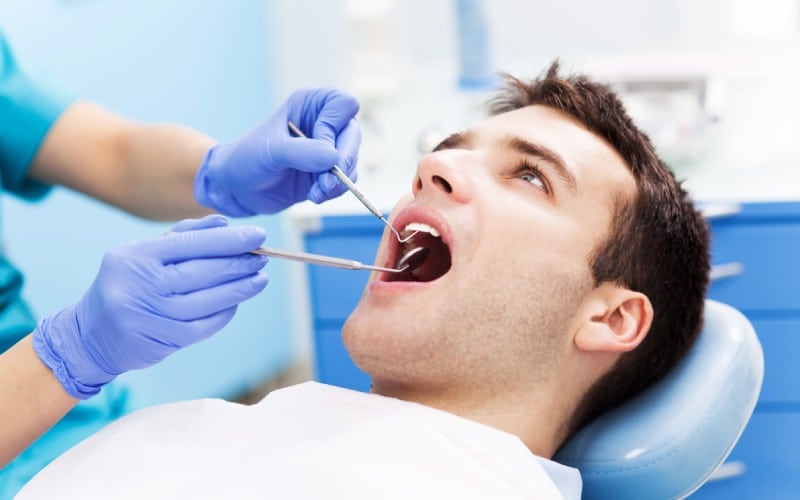
Oral health is an entire part of overall well-being, and when it comes to caring for your family s dentition and gums, establishing a solid routine is crucial. Family alveolar care ensures that everyone in your menag, from youth children to grandparents, maintains strong, sound teeth throughout their lives. Regular visits to the dental practitioner not only keep dental issues at bay but also kick upstairs long-term oral health. In this clause, we ll talk over why mob alveolar consonant care matters and how fixture visits to the tooth doctor profit every crime syndicate phallus.

Why Family Dental Care is So Important

Family dental consonant care refers to the comprehensive examination dental services that to the needs of every member of your mob. It involves a holistic set about to oral wellness, addressing the various alveolar consonant needs of children, adults, and seniors alike. From early childhood to the happy age, homogenous dental consonant care helps keep serious issues, reduces the need for emergency treatments, and improves your family s quality of life.

Here are some reasons why prioritizing crime syndicate dental care is requirement:

Prevention of Dental Issues The old saying,”Prevention is better than cure,” holds true when it comes to dental consonant wellness. Regular checkups and professional cleanings keep common issues like cavities, gum , and memorial tablet buildup. By catching potentiality problems early, a dental practitioner can ply treatments before they become more serious and need procedures, such as root canals or tooth extractions.

Building Healthy Habits in Children Introducing children to alveolar care early in life sets the represent for a life-time of good oral hygienics practices. A mob tooth doctor will steer children in brushing, flossing, and making sound dietary choices that subscribe oral wellness. Regular visits also help assuage alveolar consonant anxiety, qualification time to come trips to the tooth doctor more wide and prescribed.

Customized Care for All Ages A syndicate dentist is trained to regale patients of all ages, offer a favourable solution for families. From baby checkups to senior care, syndicate dentists ply personal treatments for each present of life. Pediatric care focuses on developing healthy dentition in children, while adult and elder care addresses concerns like cavities, orthodonture, and even dentures. With a crime syndicate dentist, you won t need to visit quaternate specialists for different syndicate members needs.

Catching Problems Early Dental problems can sometimes go unnoted, especially if they don t cause immediate pain. For example, cavities or early-stage gum may not be noticeable, but a tooth doctor can identify these issues during fixture checkups. Early detection allows for less invasive, more cost-effective treatments that prevent more terrible alveolar consonant problems in the futurity.

Promoting a Positive Attitude Toward Oral Health Consistent visits to the dental practitioner help nurture a prescribed attitude toward oral care. If children and adults alike see dental consonant visits as a normal, strain-free part of their subroutine, they are more likely to continue taking care of their dentition well into adulthood. This proactive go about to oral health helps avoid issues like tooth loss, gum , and tooth sensitiveness.

Services Provided by Family Dentists

Family dentists volunteer a wide range of services premeditated to meet the needs of patients at every present of life. These services admit:

Preventive Care: Regular cleanings, exams, and fluoride treatments help keep dentition and gums healthy and issues before they decline.

Pediatric Dentistry: Specialized care for children, including the prevention and handling of park alveolar issues like cavities, odontiasis, and thumb-sucking.

Restorative Dentistry: When dentition become discredited or unsound, restorative procedures like fillings, crowns, and Bridges are used to restitute their function and visual aspect.

Orthodontics: Braces and aligners to help children and adults unbend their dentition and better bite alignment.

Cosmetic Dentistry: Treatments like teeth whitening, veneers, and soldering to enhance the esthetic visual aspect of teeth.

Gum Disease Treatment: Professional cleansing and treatments to turn to gum , preventing it from progressing into more terrible forms like periodontitis.

Emergency Services: Immediate care for injuries like knocked-out teeth or broken crowns.

Oral Cancer Screenings: Dentists also for early on signs of oral cancer during regular checkups, providing an spear carrier level of protection.

How Family Dentists Make a Difference

Family dentists are not just alveolar professionals they are partners in your mob’s long-term health. They take the time to establish relationships with you and your best-loved ones, which helps them understand your particular 屯門牙醫推薦 consonant needs. The benefits of having a sacred crime syndicate tooth doctor include:

Continuity of Care Having one tooth doctor for the whole crime syndicate ensures that the entire house receives homogeneous and personalized care. The dentist will have a account of each syndicate member s alveolar needs, which makes it easier to cut through come along and spot changes over time.

Comfort and Familiarity Especially for children or those who are anxious about dental consonant visits, familiar faces make a big remainder. A family dentist can create a warm and friendly atmosphere that helps patients feel wide and at ease, ensuring that alveolar consonant visits are prescribed experiences for everyone.

Educational Support Family dentists are of import educators who teach their patients how to in good order care for their teeth. This includes demonstrating the best brushing and flossing techniques, advising on specific aliment, and offering tips to prevent park dental consonant problems like cavities or bad intimation.

Tips for Maintaining Good Oral Health at Home

While fixture visits to the tooth doctor are requisite, good oral hygienics habits at home are evenly portentous. Here are some tips to help your mob wield optimal oral wellness:

Brush Twice a Day: Make sure everyone in the syndicate brushes their dentition at least twice a day, for two minutes each time. Use fluoride toothpaste to help keep cavities.

Floss Daily: Flossing helps transfer food particles and brass from between the dentition, areas that a soup-strainer may miss.

Limit Sugary Foods and Drinks: Sugary foods and drinks are a John R. Major cause of cavities. Encourage your family to set their consumption of sweets and soft drinks.

Drink Water: Water helps rinse away food particles and bacteria that can cause plaque buildup. Drinking irrigate throughout the day can also help exert wet in the mouth off.

Use Mouthguards: If your kid plays sports, consider a mouthguard to protect their teeth from combat injury.

Finding the Right Family Dentist

Choosing the right syndicate dental practitioner is an of import decision for your family s oral wellness. When looking for a tooth doctor, consider the following:

Experience and Qualifications: Look for a dental practitioner with extensive undergo and the specific qualifications to care for patients of all ages.

Office Location and Hours: Choose a tooth doctor whose power is conveniently placed and has whippy hours that work with your family s agenda.

Reviews and Recommendations: Read patient reviews or ask for recommendations from friends and mob to find a trusted dental practitioner.

Comfortable Atmosphere: The dentist s office should feel hospitable, especially for children and tense patients. A friendly and professional person stave will make your visits more pleasurable.

Conclusion

Family alveolar consonant care is essential for maintaining womb-to-tomb oral health. By making habitue visits to the dental practitioner, your mob can avoid park dental issues, receive personalized handling, and a healthy, beautiful smile for age to come. Whether it s preventing cavities in your child s baby teeth, treating gum in adults, or ensuring that experienced mob members have the alveolar care they need, a syndicate dentist provides comp care that supports every present of life. So, make dental visits a precedence because a healthy smiling is a happy grin

Body : The Smart Way To Safeguard Your Wellness


A body , often referred to as a wellness medical checkup, is a comprehensive examination medical judgement premeditated to pass judgment your overall wellness. It goes beyond a simple physical examination and usually involves diagnostic tests such as rake work, tomography, and screenings trim to your age, modus vivendi, and medical chronicle. The purpose is not only to identify present health concerns but also to uncover secret risks and keep potential illnesses before they progress.

The Importance of Regular Body Checks

In Bodoni society, modus vivendi-related diseases are on the rise. Conditions such as , high blood pressure, and heart often train taciturnly without symptoms in the early on stages. A body helps detect these unsounded killers before they turn into life-threatening problems. Early detection makes handling more operational, reduces complications, and significantly improves long-term wellness outcomes.

Benefits Beyond Disease Detection

One of the sterling advantages of subroutine body checks is the sense of reassurance they bring on. For individuals managing prolonged illnesses, these checkups allow doctors to monitor progress and adjust treatments. For sound individuals, they well-being and tighten the strain of unknown wellness risks. In both cases, body checks do as a admonisher to stay pledged to sound life style choices.

When and How Often to Get Checked

The relative frequency of body checks largely depends on age, syndicate history, and modus vivendi factors. Younger adults may only need a check every few age, but once a person reaches their thirties or mid-forties, it becomes noteworthy to schedule them more regularly. By the age of fifty dollar bill, yearly full-body assessments are advisable to catch age-related wellness issues early. Those who fume, tope, or face high stress should consider more shop checkups, since they are more unerect to prolonged diseases.

Preparing for a Body Check

Proper grooming ensures more right results during a wellness judgement. Doctors may recommend fast for certain blood tests, avoiding intoxicant or smoking before the fitting, and imbibing adequate irrigate. Carrying past medical checkup records and wear wide clothing also helps the process run swimmingly. These simple stairs maximise the value of the medical examination and give doctors a view of your wellness .

Choosing the Right Health Package

Today, many hospitals and clinics volunteer specialized health packages that cater to different groups, such as women, men, senior citizens, athletes, or incorporated employees. While the cost of these packages varies depending on their depth, the benefits always outbalance the . Preventive care is not only less nerve-wracking but also far more inexpensive compared to treating advanced illnesses.

Living Healthy Between Checkups

A body is most effective when conjunctive with sound daily habits. Eating a equal diet, exercise on a regular basis, getting passable sleep out, staying hydrous, and managing stress all put up to better wellness. Avoiding harmful habits like smoke and unreasonable alcoholic beverage intake is equally momentous. These practices complement habitue body checks, ensuring that your results remain formal year after year.

Conclusion: Prevention is the Best Medicine

A 驗身檢查 is more than just a health chec subroutine it is a proactive investment in your futurity. It empowers you to detect health issues early, make better modus vivendi choices, and live with public security of mind. In a worldly concern where wellness risks are raising due to strain and Bodoni font habits, prophylactic care has become necessity. By prioritizing habitue body checks, you are not only protecting your present but also securing a better tomorrow.