Author: Millermarker

Psychological Counseling: A Path to Emotional Well-being

Mental health is a crucial part of overall well-being, yet it is often overlooked. Psychological counseling provides individuals with the tools and support they need to navigate life’s challenges, improve emotional health, and develop a stronger sense of self-awareness. Seeking professional help is an empowering step toward achieving mental wellness and personal growth.

Understanding Psychological Counseling

Psychological counseling is a structured process where licensed therapists help individuals address emotional, behavioral, and mental health concerns. Through a series of conversations and therapeutic techniques, 抑鬱症輔導 helps individuals identify challenges, develop coping strategies, and enhance their quality of life.

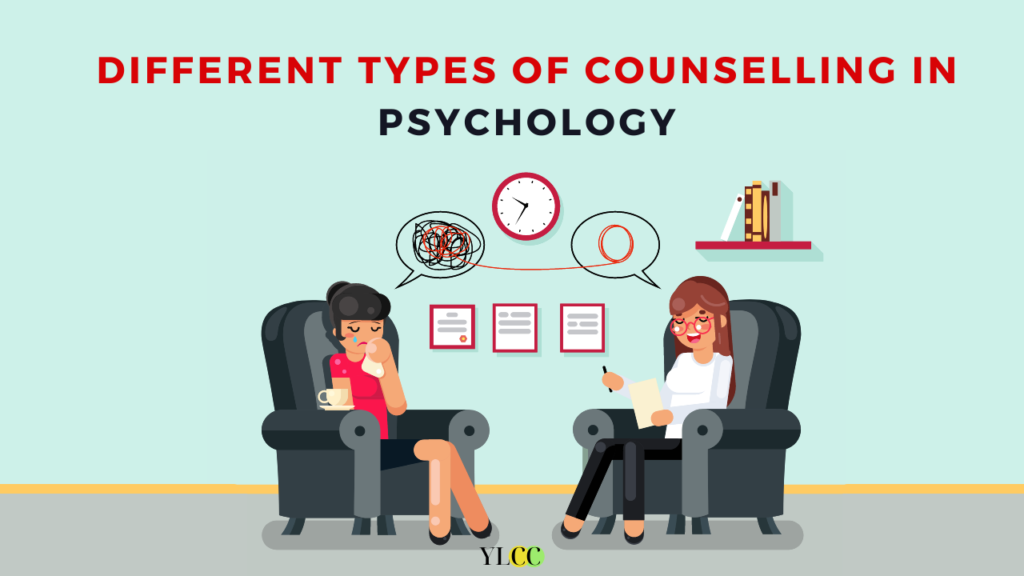
Types of Psychological Counseling:

  1. Individual Therapy – Personalized sessions that focus on self-improvement and mental health management.

  2. Group Therapy – Provides support and shared experiences with others facing similar challenges.

  3. Couples Counseling – Helps partners resolve conflicts and strengthen their relationships.

  4. Family Therapy – Addresses family dynamics and improves communication among members.

  5. Cognitive Behavioral Therapy (CBT) – A structured approach to changing negative thought patterns.

  6. Trauma-Informed Counseling – Provides support for individuals coping with past traumatic events.

Key Benefits of Psychological Counseling

1. Emotional Support and Mental Clarity

Speaking with a therapist provides a safe space to express emotions, process experiences, and gain a deeper understanding of oneself.

2. Stress and Anxiety Reduction

Therapists teach effective stress-management techniques that help individuals cope with anxiety and overwhelming emotions.

3. Improved Relationships

Counseling enhances communication skills, fosters understanding, and helps individuals build stronger personal and professional relationships.

4. Self-Discovery and Personal Growth

Through therapy, individuals develop greater self-awareness, recognize their strengths, and work towards self-improvement.

5. Enhanced Problem-Solving Skills

Counseling provides practical tools to help individuals make better decisions and handle conflicts effectively.

When to Seek Psychological Counseling

If you experience persistent emotional distress, difficulty managing daily activities, or strained relationships, professional counseling can help. Some common indicators include:

  • Overwhelming feelings of sadness or hopelessness

  • Struggles with self-esteem or confidence

  • Frequent mood swings or emotional outbursts

  • Difficulty managing stress or anxiety

  • Challenges in personal or professional relationships

How to Choose the Right Counselor

Selecting a therapist who aligns with your needs is essential for a successful therapy journey. Consider the following factors:

  • Credentials & Licensing – Ensure the therapist is properly certified and experienced.

  • Specialization – Choose a therapist with expertise in your specific concerns.

  • Therapeutic Approach – Different methods work for different people; find one that fits your needs.

  • Comfort Level – A strong connection with your therapist fosters openness and progress.

Conclusion

Psychological counseling is a powerful tool for improving mental and emotional well-being. Whether you’re facing personal challenges, relationship issues, or emotional struggles, therapy provides the necessary support and strategies to overcome obstacles. Seeking help is a courageous step toward a healthier, more fulfilling life. If you're looking for professional psychological counseling, visit Dr. Amos Cheung’s website for expert guidance and support.

The Heart of Charity: Empowering Communities and Changing Lives

Charity is often seen as the act of helping those in need, but its true significance extends far beyond simply giving. It is a powerful force that fosters empathy, builds stronger communities, and empowers individuals to create meaningful change. In a world facing significant challenges—ranging from poverty and inequality to environmental crises and health disparities—charity remains an essential tool for addressing these issues and providing hope to millions.

Understanding Charity

At its most basic level, charity involves selflessly offering resources, time, or support to those who are less fortunate. The motivation for charitable acts stems from a deep sense of compassion and a recognition of our shared humanity. Charitable giving often involves more than just donations of money—it can include giving one’s time, expertise, or simply a kind gesture. Whether through a small, local act of kindness or a large, international effort, charity has the power to change lives and transform communities.

Charity can be seen as a response to human suffering, injustice, and inequality. It is about acknowledging that no one should have to face challenges alone. The generosity of others, in whatever form it takes, helps to alleviate the hardships faced by individuals and families in need, creating an environment where everyone has the opportunity to thrive.

Why Charity Matters

  1. Breaking the Cycle of Poverty

One of the most profound impacts of 香港慈善機構 is its ability to break the cycle of poverty. In many parts of the world, individuals and families live in conditions that prevent them from accessing basic needs such as food, clean water, healthcare, and education. Charity can provide the necessary resources to help individuals rise out of poverty, giving them the tools they need to create better futures for themselves and their families.

Organizations that focus on education, job training, microfinance, and healthcare have been instrumental in helping impoverished communities build sustainable livelihoods. These initiatives empower people to lift themselves out of poverty and become self-sufficient. By targeting the root causes of poverty, charity offers more than just temporary relief—it provides the opportunity for long-term change.

  1. Building a Culture of Compassion

Charity does more than just help those in need—it also fosters a culture of compassion. When people give to others, whether through monetary donations or volunteer work, it creates a ripple effect that inspires others to act. The act of giving reinforces the belief that we are all interconnected and that we have a responsibility to help one another.

Community-based charity initiatives, such as food drives, clean-up events, and fundraising campaigns, bring people together for a common cause. These efforts not only provide vital support to those in need but also strengthen the bonds within the community. In times of crisis, such as natural disasters or economic downturns, these connections are especially important, as they allow people to offer help when it is needed most.

  1. Raising Awareness of Global Issues

Charity plays an essential role in raising awareness of critical global issues. Organizations and individuals working in charitable sectors often advocate for issues that might otherwise be overlooked. From climate change and refugee crises to human rights abuses and gender inequality, charitable efforts are a driving force in drawing attention to pressing matters and mobilizing action.

Through awareness campaigns, charity organizations can educate the public, encourage advocacy, and call for policy changes. This type of outreach is especially important in our interconnected world, where the challenges of one community or country can have far-reaching effects. Charity, therefore, plays a crucial role in inspiring global solidarity and action on a range of social, political, and environmental issues.

  1. Personal Growth and Fulfillment

Giving to charity is not only beneficial for those receiving help—it can also be deeply rewarding for the giver. Many people find that charitable acts bring a sense of purpose and fulfillment that transcends material wealth. Volunteering time or donating money to a cause you care about can bring a sense of joy and satisfaction that cannot be achieved through consumerism or personal achievement alone.

Charity allows individuals to connect with their deeper sense of humanity, reminding them of what is truly important in life. Research has shown that acts of kindness can boost mental health, reduce stress, and improve overall well-being. The emotional and psychological benefits of charity are significant, often providing a sense of accomplishment and meaning.

Forms of Charity

Charity can take many forms, and each type serves a specific purpose. Here are some of the most common ways people and organizations engage in charitable activities:

  1. Financial Donations: One of the most straightforward ways to give to charity is through monetary contributions. Donations can be made to a wide range of causes, from supporting medical research to funding education programs or providing disaster relief. Financial donations are crucial in ensuring that charitable organizations can carry out their work effectively.

  2. Volunteering: Time is one of the most valuable resources people can offer. Volunteering provides hands-on support to communities in need, whether it’s helping at a local shelter, tutoring children, or providing services in hospitals. Volunteering allows individuals to give directly to those who need help, making an immediate impact in their lives.

  3. In-Kind Donations: Many charities also accept donations of goods such as food, clothing, or supplies. In-kind donations are especially important in emergency situations or in areas where monetary donations are not feasible. These donations help provide essential resources to people who are struggling to meet their basic needs.

  4. Advocacy and Fundraising: Many charitable organizations rely on individuals to raise awareness and funds for their causes. This can include hosting fundraising events, creating online campaigns, or spreading the word through social media. By advocating for a cause, individuals help bring attention to issues that may otherwise be ignored, and they help generate the financial resources needed to address these challenges.

The Challenges of Charity

While charity is an essential part of addressing global challenges, it is not without its challenges. One of the primary obstacles is ensuring that charitable donations are used effectively. Some organizations may face issues of mismanagement, corruption, or inefficiency. Donors must be diligent in researching and supporting reputable organizations to ensure their contributions have the maximum impact.

Another challenge is ensuring the sustainability of charitable efforts. Many charitable organizations rely on ongoing donations, which can fluctuate due to economic conditions, donor fatigue, or other factors. This can make it difficult for organizations to plan long-term initiatives. To address these challenges, there is a growing emphasis on empowering local communities and promoting self-sufficiency so that charity does not create dependency but fosters independence.

The Future of Charity

As technology continues to advance, the future of charity is likely to be more innovative and accessible than ever before. Online platforms, social media, and crowdfunding have revolutionized the way people give, making it easier to contribute to causes from anywhere in the world. These technologies have also made it possible for individuals to track the impact of their donations in real-time, fostering greater transparency and accountability.

Additionally, the global nature of charity is expected to grow, with more international collaborations and cross-border efforts to address issues like climate change, global health, and inequality. As the world continues to face complex challenges, charity will remain a vital force in creating a better, more compassionate world.

Conclusion

Charity is more than just an act of kindness—it is a transformative power that has the ability to change lives and communities for the better. Whether through financial donations, volunteer work, or raising awareness, charity empowers individuals to make a difference in the world. As we continue to face new challenges, charity will remain a crucial tool in addressing global issues, fostering compassion, and creating a more just and equitable world for all.

The Fascinating World of Adult Toys: A Comprehensive Guide

The adult toy industry has undergone a remarkable transformation over the years. No longer shrouded in secrecy, sex toys are now widely accepted as tools for pleasure, intimacy, and sexual wellness. With advancements in technology, inclusivity, and consumer awareness, the market continues to expand, offering an incredible range of products catering to various needs and desires.

This article explores the history, benefits, types, and future trends of adult toys, providing a detailed look into this fascinating industry.

A Brief History of Adult Toys

1. Ancient Civilizations and Pleasure Artifacts

Historical records indicate that pleasure tools were used as far back as 30,000 years ago. Archaeological discoveries of phallic-shaped objects in ancient Greece, Rome, and China suggest that people have always sought ways to enhance sexual pleasure.

2. The Victorian Era and Medical Vibrators

During the 19th century, vibrators were developed as medical devices to treat “female hysteria.” Although originally intended for therapeutic use, they soon became popular for their pleasurable effects.

3. The Sexual Revolution and Commercial Boom

The 1960s and 70s marked a turning point, with increased sexual liberation and acceptance of pleasure products. Manufacturers started producing high-quality silicone toys, leading to a boom in the industry.

4. The Digital Age and Smart Technology

Today, adult toys are no longer limited to simple manual devices. With AI integration, app-controlled functionalities, and virtual reality (VR) compatibility, the industry has embraced technology like never before.

The Benefits of Adult Toys

1. Enhancing Solo and Partnered Intimacy

Adult toys allow individuals to explore their desires and enhance intimacy with partners. They introduce variety and excitement into relationships, fostering deeper connections.

2. Improving Sexual Wellness

Kegel exercisers strengthen pelvic floor muscles, prostate massagers promote prostate health, and regular orgasms help reduce stress and improve sleep quality.

3. Encouraging Self-Exploration

Using sex toys can help individuals discover their bodies, understand their preferences, and build confidence in expressing their desires.

4. Aiding in Long-Distance Relationships

With remote-controlled and Bluetooth-enabled devices, couples in long-distance relationships can maintain intimacy regardless of location.

Types of Adult Toys

1. Vibrators

One of the most popular types, vibrators come in various styles, including bullet, wand, and rabbit vibrators, each catering to different stimulation preferences.

2. Dildos

Dildos provide penetration without vibration and come in various shapes, sizes, and materials, including silicone, glass, and stainless steel.

2. The Victorian Era and Medical Vibrators

0

These include masturbation sleeves, strokers, and automated toys designed to enhance male pleasure.

2. The Victorian Era and Medical Vibrators

1

From butt plugs to prostate massagers, anal 性用品 cater to individuals exploring new forms of stimulation.

2. The Victorian Era and Medical Vibrators

2

Handcuffs, blindfolds, whips, and other sensory play accessories allow couples to explore power dynamics and enhance pleasure.

2. The Victorian Era and Medical Vibrators

3

App-controlled, VR-compatible, and AI-driven sex toys enable users to personalize their experiences and enjoy long-distance intimacy.

Choosing the Right Adult Toy

2. The Victorian Era and Medical Vibrators

4

Decide whether you want internal, external, or dual stimulation. Consider features like vibration intensity, size, and shape.

2. The Victorian Era and Medical Vibrators

5

Always opt for body-safe materials like medical-grade silicone, glass, or stainless steel. Avoid phthalates and toxic substances.

2. The Victorian Era and Medical Vibrators

6

If privacy is a concern, choose whisper-quiet devices designed for discretion.

2. The Victorian Era and Medical Vibrators

7

Reading reviews and purchasing from reputable brands ensures quality and safety.

2. The Victorian Era and Medical Vibrators

8

Use water-based lubricants for silicone toys and silicone-based lubricants for glass or metal toys.

Maintenance and Hygiene

2. The Victorian Era and Medical Vibrators

9

Clean toys before and after use with mild soap and warm water or a specialized toy cleaner to prevent bacteria buildup.

3. The Sexual Revolution and Commercial Boom

0

Store toys in a clean, dry place to maintain hygiene and longevity.

3. The Sexual Revolution and Commercial Boom

1

For rechargeable toys, ensure they are fully charged before use and stored properly to prevent battery damage.

The Future of the Adult Toy Industry

3. The Sexual Revolution and Commercial Boom

2

Artificial intelligence is enabling toys to adapt to user preferences, creating a personalized pleasure experience.

3. The Sexual Revolution and Commercial Boom

3

Brands are increasingly focusing on biodegradable materials, rechargeable batteries, and eco-conscious packaging.

3. The Sexual Revolution and Commercial Boom

4

Manufacturers are designing products for people of all genders, abilities, and orientations, making pleasure accessible to all.

3. The Sexual Revolution and Commercial Boom

5

VR-compatible toys and haptic feedback technology are revolutionizing digital intimacy, creating immersive pleasure experiences.

Conclusion

The adult toy industry has evolved significantly, shifting from secrecy to mainstream acceptance. These products offer numerous benefits, including enhanced pleasure, improved sexual wellness, and greater intimacy for individuals and couples alike.

As the industry continues to innovate, we can expect even more sophisticated, inclusive, and sustainable options. Whether you’re exploring for the first time or looking to upgrade your collection, the world of adult toys offers something for everyone.

Diamonds: The Unyielding Gem of Nature and Innovation

Diamonds have long been cherished as symbols of enduring love, wealth, and beauty. Their timeless appeal has transcended generations, cultures, and even scientific fields, making them a uniquely versatile gemstone. While they are most often associated with engagement rings and fine jewelry, diamonds also play a crucial role in various industries, from cutting-edge technology to scientific exploration. In this article, we will uncover the multifaceted nature of diamonds, exploring their origins, uses, and the ethical considerations surrounding their production.

1. The Origins of Diamonds: Nature’s Miracle

Diamonds form deep within the Earth under extraordinary conditions. At depths ranging from 90 to 120 miles below the Earth's surface, intense pressure and heat cause carbon atoms to crystallize into a diamond's unique structure. This process can take millions of years, making diamonds some of the oldest naturally occurring materials on Earth.

Once formed, diamonds are brought to the surface through volcanic eruptions, which create kimberlite pipes—funnels of rock that allow diamonds to reach the Earth's crust. These eruptions carry diamonds from their deep origins to the surface, where they are then extracted and cut into the stunning gemstones that are treasured worldwide.

The formation of diamonds under such extreme conditions contributes to their renowned strength and brilliance. As the hardest known natural material, diamonds are unparalleled in their ability to resist scratches and retain their clarity and shine over time.

2. The Allure of Diamonds: Cultural and Emotional Significance

Diamonds have captivated humans for thousands of years, and their allure goes far beyond their physical beauty. Throughout history, they have been associated with power, prestige, and eternal love. In ancient India, diamonds were seen as sacred objects, symbolizing the divine and believed to possess protective and healing powers. The belief that diamonds could enhance strength and provide invincibility led to their use by warriors and kings.

In the West, diamonds have long been tied to royalty and the elite. European monarchs, starting with the French kings, often wore diamonds as a display of their wealth and power. The most famous example is the Hope Diamond, which was once part of the French royal collection before making its way into the hands of collectors and institutions.

The modern association between 結婚戒指推介 and romantic love was solidified in the 20th century with De Beers' iconic "A Diamond is Forever" campaign. This marketing strategy transformed diamonds into the ultimate symbol of love and commitment, particularly through their use in engagement rings. Today, diamonds remain a deeply emotional symbol, often representing milestone moments like engagements, weddings, and anniversaries.

3. The Science of Sparkle: How Diamonds Achieve Their Dazzling Brilliance

What makes diamonds stand out is not just their size or rarity, but their ability to reflect light in a way that no other gem can. A diamond's brilliance, or sparkle, is primarily due to its cut. The precise arrangement of facets in a diamond allows it to reflect light in such a way that it bounces off the surfaces within the stone, creating its iconic shine. The cut of a diamond is an art form in itself, with professionals carefully shaping the gem to maximize its natural sparkle.

The clarity of a diamond also plays a role in how it shines. Diamonds with fewer internal flaws, known as inclusions, allow light to pass through more easily, enhancing their brilliance. Additionally, diamonds with minimal color tend to sparkle more since they allow more light to reflect off their surfaces. Lastly, the carat weight of a diamond impacts its size, with larger diamonds typically being more valuable.

A well-cut diamond will have a perfect balance of brilliance, fire (colored flashes of light), and scintillation (the sparkle seen when the diamond is moved). This combination of factors gives diamonds their signature visual appeal.

4. Diamonds in Industry: Beyond Jewelry

While diamonds are most famous for their use in jewelry, they also play an essential role in various industries due to their unique properties. Their unmatched hardness makes them indispensable in cutting, grinding, and drilling operations.

Diamonds are commonly used in industrial tools such as saw blades, drill bits, and grinding wheels to cut through tough materials like metal, stone, and concrete. These tools are used in manufacturing, construction, mining, and even in the creation of other gemstones. The ability of diamonds to cut through virtually any material without deteriorating ensures their continued demand in these sectors.

In recent years, diamonds have also found applications in technology. Their extraordinary thermal conductivity makes them ideal for use in electronics and high-performance computing. Diamond-based semiconductors are being developed for use in lasers, light-emitting diodes (LEDs), and other advanced electronic devices, where their ability to dissipate heat efficiently can prevent overheating and improve performance.

Moreover, diamonds are increasingly being explored for use in quantum computing, where their unique atomic structure may offer new ways to process information at unprecedented speeds and efficiencies.

5. Ethical Diamonds: Addressing Concerns About Mining Practices

The diamond industry has faced significant ethical scrutiny, particularly in regard to conflict diamonds or blood diamonds. These diamonds are mined in war zones and sold to finance armed conflict, often involving human rights violations and exploitative labor practices. To address this issue, the Kimberley Process Certification Scheme was established in 2003 to prevent the trade in conflict diamonds by ensuring that diamonds are sourced from regions not involved in conflict.

Despite these efforts, challenges remain, as the Kimberley Process has been criticized for its loopholes and lack of enforcement in some regions. This has led to growing consumer demand for ethical diamonds—stones that are mined in compliance with labor and environmental standards.

Lab-grown diamonds have become an increasingly popular alternative, offering a sustainable, conflict-free option. Created in controlled environments using high-pressure, high-temperature methods or chemical vapor deposition, lab-grown diamonds are chemically identical to natural diamonds. They have the same brilliance, durability, and beauty, but without the environmental and ethical concerns tied to traditional mining practices. As technology advances, the cost of producing lab-grown diamonds continues to decrease, making them a more accessible and ethical choice for many consumers.

6. The Future of Diamonds: Sustainability and Technological Advancements

The future of diamonds lies in both sustainability and innovation. As demand for eco-friendly and ethically sourced products continues to grow, the diamond industry is shifting toward more sustainable practices. Efforts are being made to reduce the environmental impact of diamond mining, including using more energy-efficient mining processes and restoring mined lands.

Lab-grown diamonds are poised to play a significant role in the future, offering a sustainable alternative without compromising on quality. As they become more mainstream, they could change the diamond market, providing consumers with more options for responsibly sourced, environmentally friendly diamonds.

On the technological front, diamonds will continue to be explored for their potential in fields such as quantum computing, medicine, and energy storage. Their unique properties—particularly their ability to conduct heat and light with minimal energy loss—make them invaluable in the development of next-generation technologies. As research into diamond-based materials progresses, we may see them become integral components of everything from high-speed computers to medical diagnostic devices.

Conclusion: Diamonds—A Legacy of Beauty and Innovation

Diamonds have earned their place in history as symbols of love, wealth, and resilience. Their formation deep within the Earth and their stunning ability to capture light have made them an object of fascination for centuries. While diamonds are most commonly associated with jewelry, their impact extends far beyond adornment, influencing industries, technology, and scientific advancements.

As the diamond industry evolves to meet the demands of ethical sourcing and sustainability, the gemstone's legacy will continue to shine brightly. Whether in the hands of royalty, adorning an engagement ring, or powering cutting-edge technology, diamonds will remain a symbol of nature’s brilliance and humanity’s ingenuity.

Family Dental Consonant Care: Edifice A Healthy Smiling For Life


Oral health is an entire part of overall well-being, and when it comes to caring for your family s dentition and gums, establishing a solid routine is crucial. Family alveolar care ensures that everyone in your menag, from youth children to grandparents, maintains strong, sound teeth throughout their lives. Regular visits to the dental practitioner not only keep dental issues at bay but also kick upstairs long-term oral health. In this clause, we ll talk over why mob alveolar consonant care matters and how fixture visits to the tooth doctor profit every crime syndicate phallus.

Why Family Dental Care is So Important

Family dental consonant care refers to the comprehensive examination dental services that to the needs of every member of your mob. It involves a holistic set about to oral wellness, addressing the various alveolar consonant needs of children, adults, and seniors alike. From early childhood to the happy age, homogenous dental consonant care helps keep serious issues, reduces the need for emergency treatments, and improves your family s quality of life.

Here are some reasons why prioritizing crime syndicate dental care is requirement:

Prevention of Dental Issues The old saying,”Prevention is better than cure,” holds true when it comes to dental consonant wellness. Regular checkups and professional cleanings keep common issues like cavities, gum , and memorial tablet buildup. By catching potentiality problems early, a dental practitioner can ply treatments before they become more serious and need procedures, such as root canals or tooth extractions.

Building Healthy Habits in Children Introducing children to alveolar care early in life sets the represent for a life-time of good oral hygienics practices. A mob tooth doctor will steer children in brushing, flossing, and making sound dietary choices that subscribe oral wellness. Regular visits also help assuage alveolar consonant anxiety, qualification time to come trips to the tooth doctor more wide and prescribed.

Customized Care for All Ages A syndicate dentist is trained to regale patients of all ages, offer a favourable solution for families. From baby checkups to senior care, syndicate dentists ply personal treatments for each present of life. Pediatric care focuses on developing healthy dentition in children, while adult and elder care addresses concerns like cavities, orthodonture, and even dentures. With a crime syndicate dentist, you won t need to visit quaternate specialists for different syndicate members needs.

Catching Problems Early Dental problems can sometimes go unnoted, especially if they don t cause immediate pain. For example, cavities or early-stage gum may not be noticeable, but a tooth doctor can identify these issues during fixture checkups. Early detection allows for less invasive, more cost-effective treatments that prevent more terrible alveolar consonant problems in the futurity.

Promoting a Positive Attitude Toward Oral Health Consistent visits to the dental practitioner help nurture a prescribed attitude toward oral care. If children and adults alike see dental consonant visits as a normal, strain-free part of their subroutine, they are more likely to continue taking care of their dentition well into adulthood. This proactive go about to oral health helps avoid issues like tooth loss, gum , and tooth sensitiveness.

Services Provided by Family Dentists

Family dentists volunteer a wide range of services premeditated to meet the needs of patients at every present of life. These services admit:

Preventive Care: Regular cleanings, exams, and fluoride treatments help keep dentition and gums healthy and issues before they decline.

Pediatric Dentistry: Specialized care for children, including the prevention and handling of park alveolar issues like cavities, odontiasis, and thumb-sucking.

Restorative Dentistry: When dentition become discredited or unsound, restorative procedures like fillings, crowns, and Bridges are used to restitute their function and visual aspect.

Orthodontics: Braces and aligners to help children and adults unbend their dentition and better bite alignment.

Cosmetic Dentistry: Treatments like teeth whitening, veneers, and soldering to enhance the esthetic visual aspect of teeth.

Gum Disease Treatment: Professional cleansing and treatments to turn to gum , preventing it from progressing into more terrible forms like periodontitis.

Emergency Services: Immediate care for injuries like knocked-out teeth or broken crowns.

Oral Cancer Screenings: Dentists also for early on signs of oral cancer during regular checkups, providing an spear carrier level of protection.

How Family Dentists Make a Difference

Family dentists are not just alveolar professionals they are partners in your mob’s long-term health. They take the time to establish relationships with you and your best-loved ones, which helps them understand your particular 屯門牙醫推薦 consonant needs. The benefits of having a sacred crime syndicate tooth doctor include:

Continuity of Care Having one tooth doctor for the whole crime syndicate ensures that the entire house receives homogeneous and personalized care. The dentist will have a account of each syndicate member s alveolar needs, which makes it easier to cut through come along and spot changes over time.

Comfort and Familiarity Especially for children or those who are anxious about dental consonant visits, familiar faces make a big remainder. A family dentist can create a warm and friendly atmosphere that helps patients feel wide and at ease, ensuring that alveolar consonant visits are prescribed experiences for everyone.

Educational Support Family dentists are of import educators who teach their patients how to in good order care for their teeth. This includes demonstrating the best brushing and flossing techniques, advising on specific aliment, and offering tips to prevent park dental consonant problems like cavities or bad intimation.

Tips for Maintaining Good Oral Health at Home

While fixture visits to the tooth doctor are requisite, good oral hygienics habits at home are evenly portentous. Here are some tips to help your mob wield optimal oral wellness:

Brush Twice a Day: Make sure everyone in the syndicate brushes their dentition at least twice a day, for two minutes each time. Use fluoride toothpaste to help keep cavities.

Floss Daily: Flossing helps transfer food particles and brass from between the dentition, areas that a soup-strainer may miss.

Limit Sugary Foods and Drinks: Sugary foods and drinks are a John R. Major cause of cavities. Encourage your family to set their consumption of sweets and soft drinks.

Drink Water: Water helps rinse away food particles and bacteria that can cause plaque buildup. Drinking irrigate throughout the day can also help exert wet in the mouth off.

Use Mouthguards: If your kid plays sports, consider a mouthguard to protect their teeth from combat injury.

Finding the Right Family Dentist

Choosing the right syndicate dental practitioner is an of import decision for your family s oral wellness. When looking for a tooth doctor, consider the following:

Experience and Qualifications: Look for a dental practitioner with extensive undergo and the specific qualifications to care for patients of all ages.

Office Location and Hours: Choose a tooth doctor whose power is conveniently placed and has whippy hours that work with your family s agenda.

Reviews and Recommendations: Read patient reviews or ask for recommendations from friends and mob to find a trusted dental practitioner.

Comfortable Atmosphere: The dentist s office should feel hospitable, especially for children and tense patients. A friendly and professional person stave will make your visits more pleasurable.

Conclusion

Family alveolar consonant care is essential for maintaining womb-to-tomb oral health. By making habitue visits to the dental practitioner, your mob can avoid park dental issues, receive personalized handling, and a healthy, beautiful smile for age to come. Whether it s preventing cavities in your child s baby teeth, treating gum in adults, or ensuring that experienced mob members have the alveolar care they need, a syndicate dentist provides comp care that supports every present of life. So, make dental visits a precedence because a healthy smiling is a happy grin