

Palliative care plays an important role in improving the quality of life for people living with serious, chronic, or life-limiting illnesses. It focuses on relieving pain, managing uncomfortable symptoms, providing emotional support, and helping patients maintain dignity throughout their healthcare journey. While palliative care is often associated with hospitals and specialist facilities, many patients prefer receiving this support in familiar surroundings. This is where professional home-based healthcare becomes valuable.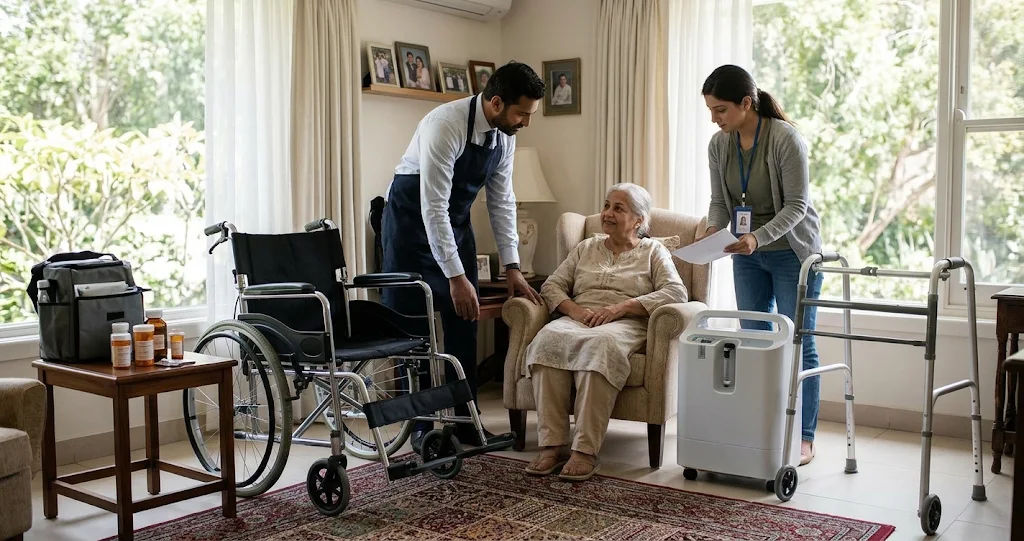
Receiving care at home allows patients to remain close to their families while benefiting from professional medical attention. Home Nursing Services can support palliative care by providing essential nursing assistance, monitoring symptoms, administering prescribed medications, and helping patients manage everyday challenges. These services also offer guidance and emotional support to family caregivers who may find it difficult to manage complex healthcare needs independently.
Understanding how home-based nursing contributes to palliative care can help families make informed decisions. With the right care plan, trained professionals, and regular communication with doctors, patients can experience greater comfort, safety, and peace of mind without unnecessary hospital visits.
Palliative Care and Its Importance
Palliative care is a specialized approach to healthcare designed to improve the comfort and well-being of people experiencing serious illnesses. It addresses physical symptoms as well as emotional, social, and spiritual concerns.
Unlike treatments that focus primarily on curing an illness, palliative care concentrates on reducing suffering and improving daily life. It can support patients with conditions such as cancer, advanced heart disease, kidney disease, neurological disorders, and other serious medical problems.
Palliative care does not necessarily mean that a patient is approaching the end of life. It can begin at any stage of a serious illness and may continue alongside treatments intended to control or cure the condition.
The Main Goals of Palliative Care
The primary purpose of palliative care is to make patients as comfortable as possible while respecting their individual needs and preferences.
Its main goals include:
-
Relieving pain and physical discomfort.
-
Managing symptoms such as nausea, breathlessness, and fatigue.
-
Supporting emotional and psychological well-being.
-
Helping patients maintain independence where possible.
-
Improving communication between patients, families, and healthcare professionals.
-
Providing practical guidance to family caregivers.
-
Respecting personal values, cultural preferences, and treatment decisions.
A coordinated approach helps ensure that patients receive appropriate care without feeling overwhelmed by medical procedures or frequent hospital visits.
How Home Nursing Services Support Palliative Care
Home Nursing Services nursing assistance can make a significant difference in the daily lives of patients receiving palliative care. Nurses provide practical healthcare support while helping patients remain comfortable in their homes.
They also communicate with doctors and other healthcare professionals to ensure that treatment plans are followed correctly.
1. Providing Regular Symptom Monitoring
Patients receiving palliative care may experience changing symptoms depending on their medical condition. These symptoms can include pain, breathing difficulties, weakness, appetite changes, swelling, and sleep disturbances.
Regular monitoring helps identify changes before they become more serious.
Nurses can check vital signs, observe physical symptoms, assess general comfort, and document important changes. They can also communicate unusual findings to the responsible doctor.
For example, a patient with advanced heart disease may experience increased breathlessness or swelling in the legs. A nurse can recognize these changes and report them promptly so the healthcare team can determine whether the care plan needs adjustment.
Consistent observation supports safer and more coordinated care.
2. Managing Pain and Physical Discomfort
Pain management is one of the most important aspects of palliative care. Persistent pain can affect sleep, appetite, movement, mood, and overall quality of life.
Professional nurses help patients follow prescribed pain-management plans. They may administer medications, monitor their effects, and observe possible side effects according to medical instructions.
They can also introduce suitable comfort measures, such as:
-
Helping patients change positions.
-
Supporting comfortable sleeping arrangements.
-
Using pillows to reduce pressure on painful areas.
-
Maintaining a calm and relaxing environment.
-
Encouraging gentle movement when medically appropriate.
Nurses do not independently change prescribed medication doses. Instead, they communicate with doctors when pain remains uncontrolled or medication causes unwanted effects.
This coordinated approach helps patients receive appropriate relief while reducing avoidable discomfort.
3. Administering Prescribed Medications
Patients with serious illnesses may require several medications throughout the day. Managing different prescriptions can become confusing, especially when patients have difficulty remembering schedules or swallowing tablets.
Home nursing professionals can assist with medication administration according to the prescribed treatment plan.
Their responsibilities may include checking medication instructions, following administration schedules, observing side effects, and maintaining accurate records.
They can also help families understand medication routines and explain when they should contact the healthcare provider.
Medication safety is particularly important in palliative care because patients may be taking pain relievers, anti-nausea medicines, breathing treatments, and other prescribed medications.
Professional supervision reduces the risk of missed doses, incorrect administration, and medication-related complications.
Essential Nursing Responsibilities During Palliative Care
Palliative care involves more than administering medication or checking vital signs. Patients may require several types of assistance to remain comfortable and maintain their daily routines.
4. Supporting Personal Hygiene and Daily Activities
Serious illnesses can make ordinary activities physically demanding. Patients may struggle with bathing, dressing, brushing their teeth, using the bathroom, or moving around their homes.
Nurses can provide personal care while respecting the patient's privacy and dignity.
Assistance may include:
-
Bathing and personal hygiene.
-
Changing clothes and bedding.
-
Oral hygiene.
-
Assistance with toileting.
-
Safe movement between the bed and chair.
-
Helping patients maintain comfortable resting positions.
These activities support physical cleanliness and help prevent complications associated with prolonged immobility.
Nurses also encourage patients to participate in activities they can manage independently. Maintaining some control over everyday routines can improve confidence and emotional well-being.
5. Preventing Pressure Sores and Skin Problems
Patients who spend extended periods in bed or sitting in one position may develop pressure injuries. These injuries occur when prolonged pressure damages the skin and underlying tissues.
Older adults and people with limited mobility are particularly vulnerable.
Nursing professionals can help prevent these problems through regular skin assessments, appropriate repositioning, hygiene assistance, and pressure-relieving equipment when recommended.
They may also monitor existing wounds and follow prescribed dressing instructions.
Family members can learn simple preventive techniques, such as checking vulnerable areas, keeping skin clean and dry, and avoiding unnecessary friction.
Early identification is important because pressure injuries can become painful and difficult to manage if neglected.
6. Providing Nutritional and Hydration Support
Nutrition is another important part of palliative care. Patients with serious illnesses may experience reduced appetite, nausea, difficulty swallowing, or changes in taste.
These problems can make eating and drinking challenging.
Nurses can monitor food and fluid intake, identify difficulties, and communicate nutritional concerns to the healthcare team.
They may also assist patients during meals, encourage suitable food choices, and follow recommendations from dietitians or doctors.
However, nutritional goals should reflect the patient's condition and preferences. In advanced illness, forcing food or fluids may increase discomfort rather than improve well-being.
The focus should remain on comfort, safety, and individual needs.
Emotional and Psychological Support for Patients
Living with a serious illness can create emotional challenges that affect patients and their families. Fear, sadness, uncertainty, loneliness, and frustration are common experiences.
Physical treatment alone may not address these concerns. Emotional support is therefore an essential part of effective palliative care.
7. Reducing Anxiety and Emotional Stress
Professional nurses often develop close relationships with patients through regular visits and daily care activities.
Their presence can provide reassurance, especially when patients feel worried about their symptoms or future health.
Nurses can listen to concerns, explain routine procedures, encourage communication, and help patients feel more secure.
Simple actions can make a meaningful difference. Speaking calmly, respecting personal preferences, and allowing patients to express their feelings can create a supportive environment.
When patients experience persistent depression, severe anxiety, or emotional distress, nurses can help arrange support from qualified mental health professionals.
8. Maintaining Patient Dignity and Independence
Palliative care should always respect the individual rather than treating the person only as a medical condition.
Patients may have specific preferences regarding personal hygiene, meals, visitors, daily schedules, and medical procedures.
Nurses can incorporate these preferences into everyday care whenever medically possible.
They should also encourage patients to make decisions about their routines and participate in healthcare discussions.
Maintaining dignity helps patients feel respected and valued, even when their physical abilities become limited.
How Home Nursing Services Help Family Caregivers
Family members often become the primary caregivers when a loved one receives palliative care at home. Although caring for someone can be meaningful, it can also create physical exhaustion and emotional pressure.
Professional nursing assistance can reduce some of these responsibilities.
9. Offering Practical Guidance to Family Members
Families may not have medical training, making it difficult to understand symptoms, medication schedules, and personal care requirements.
Nurses can explain essential care procedures and demonstrate safe techniques.
For example, they may teach family members how to:
-
Assist with repositioning safely.
-
Recognize signs of discomfort.
-
Maintain personal hygiene.
-
Follow medication schedules.
-
Observe changes in breathing.
-
Prevent pressure injuries.
-
Keep the patient's surroundings clean and comfortable.
This guidance helps caregivers become more confident while ensuring that medical responsibilities remain appropriately supervised.
10. Reducing Caregiver Stress and Burnout
Providing continuous care can affect a caregiver's physical and emotional health. Family members may experience sleep deprivation, anxiety, fatigue, and difficulty managing their personal responsibilities.
Professional nursing visits provide valuable assistance and may allow family members to take breaks.
Depending on the service arrangement, nurses may provide scheduled visits, extended shifts, or continuous support.
This assistance helps families balance caregiving with work, household responsibilities, and personal well-being.
Caregiver support is important because healthy and informed family members are better positioned to provide consistent emotional support.
Can Home Nursing Services Support Patients With Different Serious Illnesses?
Yes. Professional nursing care can be adapted to the patient's medical condition, treatment requirements, and personal preferences.
Different illnesses create different challenges, so individualized care planning is essential.
11. Palliative Care for Cancer Patients
Cancer patients may experience pain, nausea, weakness, appetite changes, and fatigue. Some may also require assistance with surgical wounds, medication schedules, or other treatment-related concerns.
Nurses can monitor symptoms, administer prescribed medications, provide personal care, and communicate changes to the oncology team.
They can also support patients who are receiving palliative treatment alongside cancer-directed therapies.
The main objective is to reduce discomfort and help patients maintain the best possible quality of life.
12. Supporting Patients With Neurological Conditions
People living with conditions such as advanced Parkinson's disease, motor neuron disease, or other neurological disorders may experience mobility difficulties, muscle weakness, swallowing problems, and communication challenges.
Nurses can assist with daily activities, monitor changes in physical function, and support prescribed care routines.
They may also coordinate with physiotherapists, occupational therapists, and speech therapists when additional services are required.
This multidisciplinary approach helps address the different challenges associated with neurological illnesses.
13. Caring for Patients With Advanced Heart or Lung Disease
Patients with advanced heart or lung conditions may experience breathlessness, fatigue, swelling, and reduced physical endurance.
Nurses can monitor symptoms, check vital signs, support medication routines, and help patients maintain comfortable positions.
They can also educate family members about warning signs that require medical attention.
For example, sudden severe breathlessness, chest pain, confusion, or a significant deterioration in consciousness requires urgent medical assessment rather than waiting for the next scheduled nursing visit.
Creating an Effective Home Palliative Care Plan
A successful home palliative care arrangement requires proper planning and communication.
Every patient has different medical requirements, so the care plan should be developed around individual needs rather than following a standard routine.
14. Assessing the Patient's Healthcare Needs
The first step is a comprehensive assessment by the appropriate healthcare professionals.
This assessment may consider:
-
Current medical diagnosis.
-
Pain levels and other symptoms.
-
Medication requirements.
-
Mobility and physical abilities.
-
Nutritional needs.
-
Emotional well-being.
-
Existing medical equipment.
-
Family support and caregiver availability.
The assessment helps determine the frequency and type of nursing assistance required.
15. Coordinating With Doctors and Specialists
Palliative care often involves several healthcare professionals. These may include physicians, nurses, pharmacists, dietitians, physiotherapists, and mental health specialists.
Clear communication helps ensure that everyone understands the patient's treatment goals.
Nurses can maintain records of symptoms, medication administration, and important changes. These records help doctors evaluate the patient's progress and make appropriate adjustments.
Families should also know whom to contact when symptoms change or medical concerns arise.
16. Preparing a Safe and Comfortable Home Environment
The patient's home should support comfort, accessibility, and safety.
Depending on the patient's condition, useful arrangements may include:
-
A comfortable and supportive bed.
-
Appropriate lighting.
-
Clear walking pathways.
-
Accessible bathroom facilities.
-
Handrails or mobility assistance equipment.
-
Pressure-relieving mattresses.
-
Medical equipment recommended by healthcare professionals.
Keeping essential supplies organized can also make daily care easier.
A clean and peaceful environment supports rest while reducing unnecessary physical strain.
Important Factors to Consider When Choosing Home Nursing Services
Selecting an appropriate nursing provider is an important decision for families. The quality of care can directly influence patient comfort, safety, and overall experience.
17. Check Professional Qualifications and Experience
Families should confirm that nurses have appropriate qualifications, training, and relevant experience.
Palliative care requires patience, communication skills, clinical knowledge, and an understanding of complex patient needs.
Experience with pain management, wound care, medication administration, and elderly patient support can be particularly valuable.
18. Understand the Available Nursing Arrangements
Different patients require different levels of assistance.
Some may need a few hours of nursing support each day, while others may require longer shifts or continuous supervision.
Families should discuss available schedules, emergency arrangements, and the responsibilities included in each service.
It is also important to understand which procedures nurses are qualified and authorized to perform.
19. Discuss Costs and Care Expectations
Healthcare expenses can become a concern when long-term nursing support is required.
Before selecting a provider, families should understand the pricing structure, visiting schedules, additional charges, and available service packages.
They should also discuss the patient's care goals and expected responsibilities with the nursing team.
Clear communication helps prevent misunderstandings and ensures that the selected arrangement meets the family's needs.
Challenges and Limitations of Home-Based Palliative Care
Although home-based care offers many advantages, it may not be suitable for every patient or situation.
Some patients require advanced medical equipment, specialist interventions, or continuous monitoring that cannot be safely provided at home.
Other challenges may include limited caregiver availability, financial concerns, inadequate home facilities, and difficulty accessing emergency medical assistance.
Families should also recognize that nursing support does not replace the need for doctors, hospitals, or specialist palliative care teams.
A well-organized arrangement should include clear procedures for emergencies, symptom escalation, and hospital transfers when necessary.
The decision to provide palliative care at home should always consider patient safety, medical recommendations, and the preferences of the patient.
Conclusion
Home-based palliative care can provide meaningful support to people living with serious and life-limiting illnesses. It allows patients to receive professional assistance while remaining in familiar surroundings, close to their loved ones. With appropriate medical supervision, individualized planning, and reliable nursing support, families can create an environment that prioritizes comfort, dignity, and emotional well-being.
Home Nursing Services contribute to this approach in several important ways. They help monitor symptoms, manage prescribed medications, support personal hygiene, prevent pressure injuries, and assist patients with everyday activities. Nurses can also provide nutritional guidance, emotional reassurance, and practical education to family caregivers. Their involvement helps families manage healthcare responsibilities with greater confidence.
Another important benefit is continuity of care. Regular nursing assessments and communication with doctors allow healthcare professionals to identify changing needs and adjust care plans appropriately. Whether a patient is living with cancer, advanced heart disease, neurological conditions, or another serious illness, professional support can help address individual challenges.
However, effective palliative care requires more than arranging nursing visits. Families should select qualified professionals, understand the available services, prepare a safe home environment, and maintain regular communication with the healthcare team. They should also recognize situations that require urgent medical attention or hospital-based treatment.
Ultimately, the purpose of palliative care is not simply to manage illness. It is to help people live as comfortably and meaningfully as possible, regardless of their medical circumstances. With compassionate professionals, appropriate medical guidance, and strong family involvement, Home Nursing Services can become an important part of a comprehensive palliative care plan, helping patients experience greater comfort, respect, and support throughout their healthcare journey.