

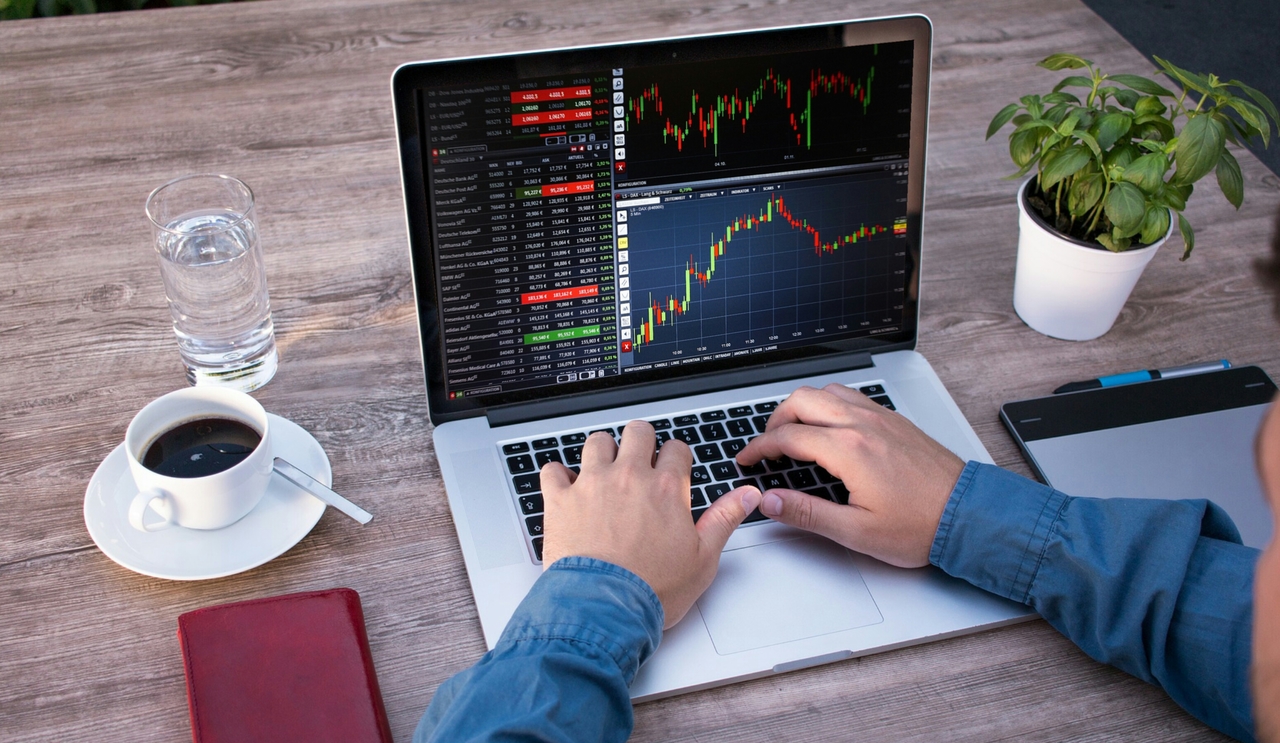
The S&P 500 is one of the most widely followed equity indices in the world, representing 500 of the largest U.S. publicly traded companies. Trading S&P 500 futures has become an increasingly popular strategy for traders seeking exposure to the U.S. stock market while leveraging capital efficiently. However, entering this highly competitive market requires proper tools, guidance, and risk management strategies. This is where the best prop firms for futures come into play, offering traders the resources and support needed to succeed in 2025.
In this article, we will explore the essentials of trading S&P 500 futures, how prop trading firms function, and why they are essential partners for traders aiming to maximize their potential.
Understanding Trading S&P 500 Futures
Trading S&P 500 futures involves speculating on the future price of the S&P 500 index through standardized contracts. These contracts allow traders to take positions on the direction of the market without owning the underlying stocks. Key features include:
- Leverage: Futures allow traders to control large positions with relatively small capital, amplifying both potential gains and losses.
- Liquidity: The S&P 500 futures market is highly liquid, providing tight spreads and low transaction costs.
- Hedging Capabilities: Investors can hedge stock portfolios against market downturns using S&P 500 futures.
Futures contracts are available in multiple sizes, including the E-mini S&P 500 and Micro E-mini, catering to both professional and retail traders. This flexibility makes them accessible to traders with varying levels of capital and experience.
The Role of the Best Prop Firms for Futures
Prop trading firms, short for proprietary trading firms, provide traders with capital, technology, and educational support to trade futures profitably. The best prop firms for futures offer a structured environment that minimizes risk for the trader while maximizing growth potential.
1. Capital Provision
One of the primary benefits of working with a prop firm is access to significant trading capital. Traders may only need to invest a small portion of their own funds while leveraging the firm’s capital to enter larger positions. This is particularly useful when trading S&P 500 futures, where margin requirements can be substantial.
2. Risk Management Guidance
The best prop firms provide comprehensive risk management protocols, including stop-loss frameworks, position sizing rules, and drawdown limits. This guidance ensures that traders can engage with volatile instruments like S&P 500 futures safely and sustainably.
3. Advanced Trading Technology
Prop firms often supply traders with access to advanced trading platforms, real-time data feeds, algorithmic tools, and analytical software. These resources help traders analyze trends, execute orders efficiently, and spot opportunities in the S&P 500 futures market before others.
4. Training and Mentorship
For beginners and intermediate traders, mentorship and structured training are invaluable. The best prop firms offer courses, webinars, and one-on-one guidance that cover topics such as technical analysis, trading psychology, and futures strategies. This accelerates the learning curve for those new to trading S&P 500 futures.
5. Performance-Based Incentives
Many prop firms reward traders with a percentage of profits generated, creating a performance-driven environment. This incentivizes discipline, consistency, and strategic thinking, crucial for long-term success in futures trading.
Strategies for Trading S&P 500 Futures
Success in trading S&P 500 futures depends on developing and executing effective strategies. Prop firms often assist traders in honing these strategies:
Trend Following
This approach involves identifying upward or downward market trends and taking positions aligned with the prevailing momentum. Tools such as moving averages, MACD, and RSI are commonly used.
Scalping
Scalping targets small, frequent price movements throughout the trading day. High liquidity in S&P 500 futures makes this strategy feasible but requires access to fast execution and low-latency platforms often provided by prop firms.
Hedging
Investors with equity portfolios may use S&P 500 futures to hedge against downside risks. Prop firms can help design hedging strategies that reduce exposure while maintaining growth potential.
News-Based Trading
Economic reports, Fed announcements, and corporate earnings significantly influence S&P 500 futures. Prop firms equip traders with real-time news feeds and analysis tools to capitalize on short-term volatility.
Advantages of Using a Prop Firm While Trading S&P 500 Futures
Partnering with a prop firm provides distinct advantages compared to trading independently:
- Access to Larger Capital: Trade bigger positions without committing excessive personal funds.
- Structured Risk Management: Minimize losses through firm-enforced guidelines.
- Professional Tools and Analytics: Leverage cutting-edge technology and market insights.
- Mentorship and Education: Accelerate skills and reduce the learning curve.
- Performance-Based Rewards: Earn a significant share of profits without bearing full capital risk.
These benefits are especially valuable when trading complex and leveraged instruments like S&P 500 futures, where market movements can be rapid and unpredictable.
Common Pitfalls to Avoid
Even with the support of the best prop firms, traders must be aware of potential mistakes:
- Over-Leveraging – Excessive leverage amplifies losses. Prop firm guidance helps mitigate this risk.
- Ignoring Risk Protocols – Bypassing firm rules can result in immediate account termination or losses.
- Lack of Discipline – Emotional trading often undermines strategic plans. Performance-driven incentives at prop firms encourage consistency.
- Underestimating Market Volatility – S&P 500 futures can swing significantly during economic news or geopolitical events; understanding market context is key.
By avoiding these pitfalls, traders can leverage prop firm resources effectively.
Conclusion
Trading S&P 500 futures offers tremendous opportunities for profit, portfolio diversification, and risk management. However, it also carries significant risks, especially for those entering the market independently. The best prop firms for futures provide capital, tools, mentorship, and risk management frameworks that allow traders to engage confidently and strategically in this high-stakes market.
By combining expert guidance, advanced technology, and structured support, traders can enhance their skills, execute strategies more effectively, and maximize their potential when trading S&P 500 futures in 2025. Whether you are a beginner looking to learn or an experienced trader aiming to scale, partnering with a top prop firm can make a decisive difference in achieving consistent and sustainable trading success.